Lao Cai construction projects will commence in November 2026, focusing on four non-budgetary-funded initiatives aimed at enhancing regional development.
Overview of Lao Cai’s Upcoming Projects
Lao Cai province is set to embark on an ambitious journey with the commencement of four non-budgetary-funded construction projects scheduled for November 2026. These initiatives are anticipated to play a pivotal role in the region’s growth and development.
The upcoming construction projects are designed to address several key areas that are essential for the province’s infrastructure and economic advancement. They include:
- Transportation Infrastructure: Enhancements to roads and bridges that facilitate better connectivity within the province and to neighboring regions.
- Public Facilities: Development of community centers and recreational areas that promote social well-being and community engagement.
- Commercial Zones: Establishment of new commercial spaces aimed at boosting local businesses and attracting external investments.
- Environmental Projects: Initiatives focused on sustainable practices that protect the local ecosystem while promoting urban development.
These Lao Cai construction projects are not only expected to improve the living standards of residents but also to stimulate job creation and economic opportunities. By leveraging non-budgetary funding, the province aims to minimize financial constraints while maximizing its developmental potential. As these projects come to fruition, they will undoubtedly serve as a catalyst for growth and prosperity in the region.
Economic Impact of New Construction
The ongoing and upcoming Lao Cai construction projects are set to significantly boost the local economy and catalyze growth across various sectors. As the province plans to initiate construction on four non-budgetary-funded projects in November 2026, stakeholders are optimistic about the positive impacts these developments will have.
Firstly, the influx of investment in construction activities is expected to create numerous job opportunities for local residents. This increase in employment will enhance the income levels of families, leading to improved living standards within the community.
Additionally, these projects are anticipated to stimulate local businesses, particularly in the supply chain and service sectors. With more construction activity, suppliers of materials and services will see a surge in demand, fostering a vibrant economic environment.
The construction projects are also likely to improve infrastructure in the region, including roads, utilities, and public spaces. Enhanced infrastructure will not only facilitate better connectivity but also attract further investment, as businesses often seek to establish themselves in well-developed areas.
In summary, the economic impact of the new construction in Lao Cai is profound. By generating employment, supporting local businesses, and improving infrastructure, these projects promise to pave the way for sustained growth and development in the province.
Timeline for Project Completion
The timeline for the completion of various Lao Cai construction projects has been meticulously outlined to ensure that each project adheres to its scheduled milestones. The province has ambitious plans, aiming to initiate construction on four significant non-budgetary-funded projects in November 2026. This strategic timeline is expected to foster economic growth and enhance the region’s infrastructure.
The planned construction phases are as follows:
- Phase 1: Planning and Design – This phase will commence immediately, focusing on securing necessary permits and finalizing designs by June 2025.
- Phase 2: Groundbreaking – Expected to occur in November 2026, this phase marks the official start of construction for the four projects.
- Phase 3: Construction – The construction period is projected to last approximately two years, with an expected completion date set for December 2028.
- Phase 4: Commissioning – Following construction, a series of evaluations and adjustments will take place from January to June 2029, preparing the projects for public use.
With a clear timeline in place, stakeholders can anticipate the positive impacts these Lao Cai construction projects will bring to the local economy and infrastructure.
Funding Sources for Lao Cai Initiatives
The funding sources for Lao Cai construction projects are diverse and strategically leveraged to ensure sustainable development in the region. The provincial government has identified both public and private sector investments as crucial to the success of these initiatives.
One significant funding avenue includes:
- Non-budgetary funds: Lao Cai province plans to commence construction on four non-budgetary-funded projects in November 2026, reflecting an innovative approach to financing that minimizes reliance on government budgets.
- Public-private partnerships (PPP): These collaborations between the government and private entities have become increasingly popular, allowing for shared investment risks and enhanced project execution.
- Foreign direct investment (FDI): Lao Cai is actively seeking FDI to boost its construction sector, creating a more dynamic economic environment and attracting international expertise.
- Bank loans: Local financial institutions are also extending credit facilities to support construction initiatives, ensuring liquidity for ongoing and upcoming projects.
Emphasizing a mix of these funding sources, the provincial authorities aim to create a resilient economic framework that not only fosters growth but also ensures the longevity and success of the Lao Cai construction projects. By diversifying funding streams, Lao Cai can effectively accelerate its development while maintaining financial stability.
Community Involvement in Development
Community involvement plays a crucial role in the success of Lao Cai construction projects. Engaging local residents not only fosters a sense of ownership but also ensures that the projects align with the community’s needs and aspirations. As these initiatives unfold, it is essential to integrate the voices of the people who will be directly affected by the developments.
Local stakeholders can participate in various ways:
- Public Consultations: Organizing meetings where community members can express their concerns, suggestions, and expectations regarding the construction projects.
- Feedback Mechanisms: Establishing channels through which residents can continuously provide input as projects progress, ensuring adaptability and responsiveness to local needs.
- Volunteer Opportunities: Encouraging community members to take part in labor or planning efforts, which helps to build skills and create a deeper connection to the project.
Moreover, when the community is actively involved, it can lead to enhanced transparency and trust in the decision-making process. This collective effort not only boosts local morale but also contributes to the overall efficacy of the Lao Cai construction projects. Ultimately, by prioritizing community engagement, Lao Cai can pave the way for sustainable development that resonates with its residents.
Challenges Facing Construction in Lao Cai
While the Lao Cai construction projects present significant opportunities for economic growth and community development, a number of challenges remain that could hinder progress. These challenges include:
- Infrastructure Limitations: The existing infrastructure may not be adequate to support the scale of new construction projects. Upgrades to roads, utilities, and public services are essential to facilitate development.
- Regulatory Hurdles: Navigating the local regulatory environment can be complex. Delays in obtaining necessary permits and approvals can impede timely project execution.
- Environmental Concerns: Construction activities may raise environmental issues, particularly in ecologically sensitive areas. Balancing development with environmental preservation requires careful planning and oversight.
- Funding Gaps: Although several projects are planned, securing sufficient funding remains a challenge. Reliance on non-budgetary sources may lead to financial uncertainties that affect long-term project viability.
- Community Resistance: In some cases, local communities may resist construction projects due to concerns about displacement or changes to their way of life. Effective communication and community engagement are vital to address these issues.
Addressing these challenges is crucial for the successful implementation of the Lao Cai construction projects, ensuring that they contribute positively to the region’s growth and development.
Benefits of Non-Budgetary Funding
Non-budgetary funding has emerged as a vital component in the successful execution of construction projects in Lao Cai. This financing model enables the province to tap into private investments, significantly reducing reliance on public funds. The advantages of utilizing non-budgetary sources can be outlined as follows:
- Increased Investment: By attracting private capital, Lao Cai can initiate projects that may have otherwise faced delays or cancellations due to budget constraints.
- Faster Project Initiation: Non-budgetary funding allows for quicker mobilization of resources, ensuring that construction projects commence in a timely manner, aligning with the province’s growth goals.
- Enhanced Quality: With private investors often seeking a return on investment, there is a strong incentive to maintain high standards in construction quality and project management.
- Job Creation: The influx of private funding leads to increased employment opportunities within the local construction sector, fostering economic growth and community development.
- Innovation and Efficiency: Collaboration with private entities can introduce innovative construction techniques and technologies, improving overall project efficiency.
As Lao Cai construction projects continue to evolve, the integration of non-budgetary funding is proving to be a beneficial strategy, promoting sustainable development and long-term economic stability for the region.
Future Prospects for Lao Cai’s Infrastructure
The future of Lao Cai’s infrastructure appears promising, particularly with the introduction of various construction projects that are set to enhance the region’s connectivity and economic viability. As Lao Cai construction projects move forward, the emphasis on sustainable development and modern engineering practices will play a crucial role in shaping the province’s landscape.
Among the key prospects are the anticipated improvements in transportation networks, which are expected to significantly reduce travel times between major urban centers and rural areas. This enhancement will facilitate better access to markets, thereby boosting local businesses and attracting investments.
Additionally, the integration of green building practices in upcoming construction initiatives is likely to promote environmental sustainability. This not only aligns with global trends but also addresses local community concerns regarding ecological impacts.
Moreover, the involvement of private sector stakeholders in Lao Cai construction projects will foster innovation and efficiency. By leveraging advanced technologies, projects are expected to be completed more swiftly and cost-effectively.
Community engagement will also be vital in ensuring that these developments meet the needs and expectations of local residents. Feedback mechanisms will allow for adjustments during the planning and execution phases, ultimately leading to projects that are well-integrated into the community fabric.
In summary, the future prospects for Lao Cai’s infrastructure are bright, with anticipated benefits that extend beyond mere economic growth.
Lao Cai construction projects have significantly contributed to the region’s economic development and infrastructure improvement. By investing in these initiatives, local authorities are ensuring that Lao Cai construction projects yield long-term benefits for the community.
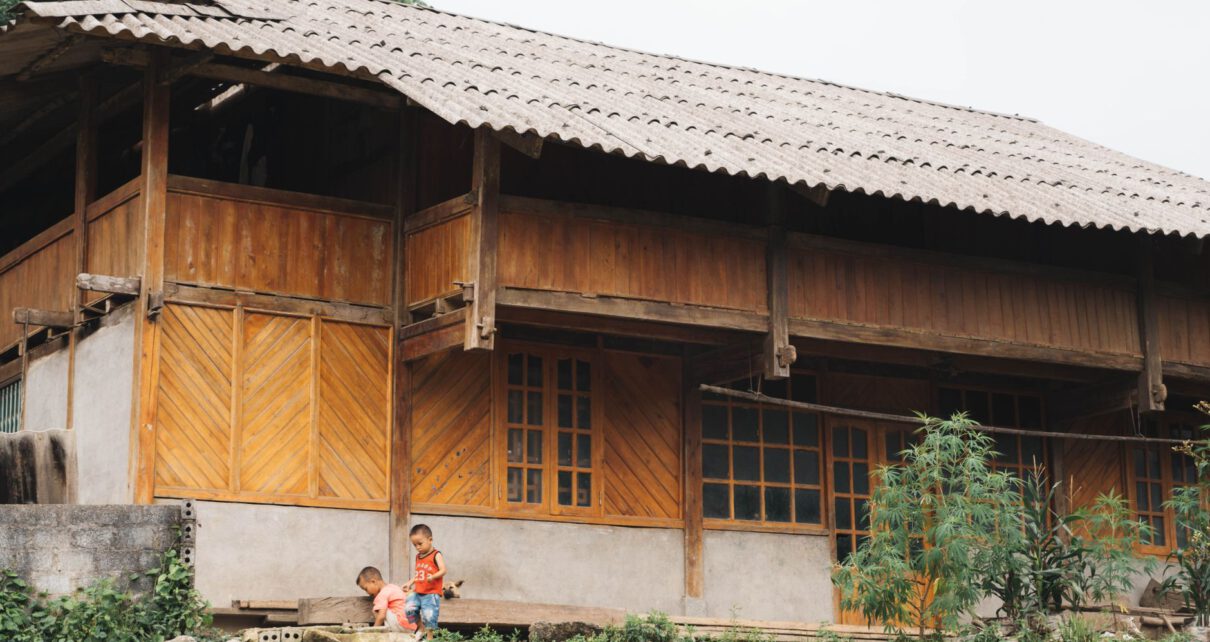
Photo by Quang Vuong on Pexels