smart home products are becoming increasingly popular, and Apple is joining the trend with a new partnership with LG. This collaboration promises innovative solutions for a connected home.
What to Expect from Apple’s Smart Home Products
As Apple prepares to unveil its latest smart home products in collaboration with LG, enthusiasts and tech aficionados are eager to see what innovations await. This partnership signifies a major step forward in the realm of interconnected devices, promising a seamless integration of technology into daily life.
Consumers can expect a diverse range of offerings that enhance convenience and security within the home. Key features likely to be included are:
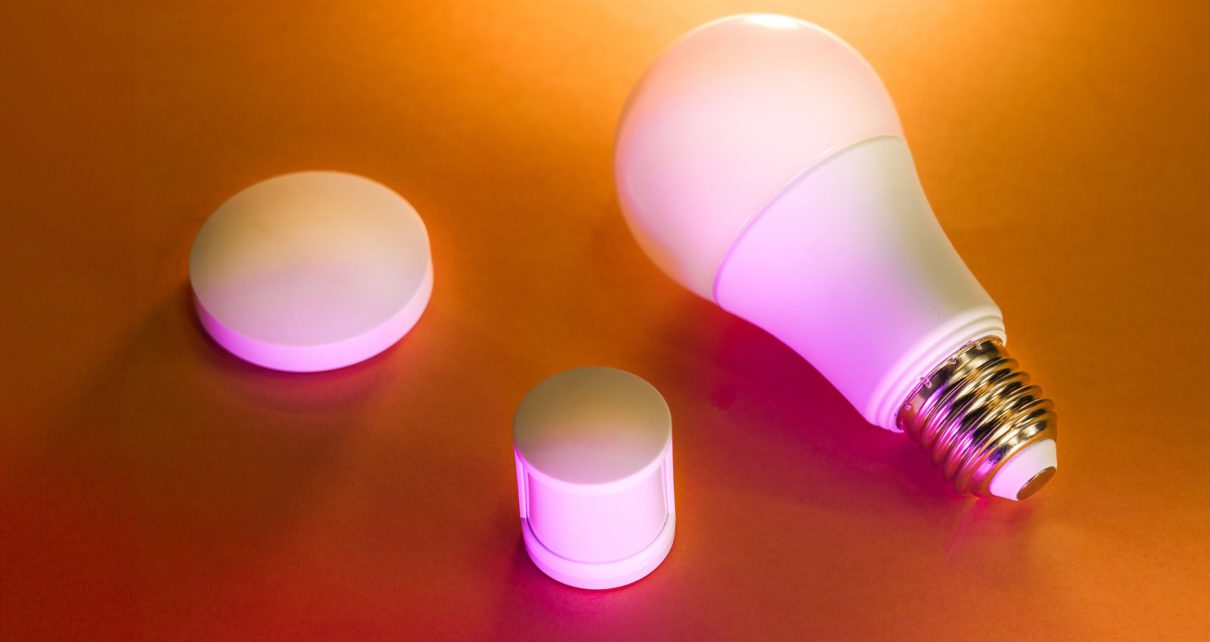
- Smart Lighting: Control brightness and color temperature through voice commands or via a mobile app.
- Advanced Security Systems: State-of-the-art cameras and sensors that provide real-time alerts and remote monitoring.
- Home Automation: Devices that can be programmed to operate automatically, adapting to user preferences.
- Integration with Apple Ecosystem: Compatibility with existing Apple products, ensuring a cohesive user experience.
With these smart home products, Apple aims to redefine how users interact with their living spaces, making everyday tasks more efficient and enjoyable. The collaboration with LG is poised to set a new standard in the smart home market.
The Benefits of Smart Home Technology
Smart home technology is revolutionizing the way we interact with our living spaces, offering a multitude of benefits that enhance convenience, efficiency, and security. With the upcoming launch of smart home products from Apple in collaboration with LG, homeowners can expect to experience these advantages firsthand.
One of the primary benefits of smart home products is their ability to automate daily tasks. For instance, users can program their devices to adjust lighting or temperature, leading to energy savings and improved comfort. Additionally, these products can be controlled remotely through smartphones or voice commands, providing unparalleled flexibility.
Another significant advantage is enhanced security. Smart home systems can include features such as surveillance cameras and smart locks, allowing homeowners to monitor their property in real-time and receive alerts about any unusual activity.
Moreover, smart home technology promotes better energy management. By utilizing smart appliances and systems, users can track their energy consumption and identify ways to reduce waste, which is not only cost-effective but also environmentally friendly.
In summary, the integration of smart home products into daily life offers a smarter, safer, and more efficient way of living.
How LG and Apple are Innovating Together
In an exciting collaboration, Apple and LG are set to revolutionize the smart home products market. This partnership combines Apple’s cutting-edge technology with LG’s expertise in home appliances, aiming to create an ecosystem that enhances user experience and connectivity. The integration of these two tech giants is anticipated to deliver not only innovative devices but also seamless interoperability among various smart home products.
The collaboration will focus on developing a range of devices that can be easily controlled through Apple’s HomeKit. This means that users will have the ability to manage everything from lighting and heating to security systems from a single interface, making smart home management more intuitive and accessible.
Moreover, both companies are committed to sustainability, which will be a key feature of their new offerings. By prioritizing energy-efficient designs and materials, they aim to promote eco-friendly practices in smart home technology.
As Apple and LG continue to innovate together, consumers can look forward to a new wave of smart home products that not only enhance convenience but also contribute to a smarter and greener future.
Consumer Reactions to the New Products
Consumer reactions to Apple’s latest launch of smart home products in collaboration with LG have been largely positive. Many enthusiasts are excited about the potential of these innovative devices to enhance everyday living. As technology evolves, users are increasingly looking for solutions that simplify their lives and improve home automation.
Feedback on social media has highlighted several key aspects:
- Integration: Many users appreciate the seamless integration of Apple’s ecosystem with LG’s home appliances, making it easier to control everything from lighting to temperature with a single device.
- User Experience: Consumers have noted that the user-friendly interface of the new smart home products enhances their overall experience, allowing even the least tech-savvy individuals to navigate effortlessly.
- Design: The sleek and modern design of the products has also garnered attention, with users praising the aesthetic appeal that matches their contemporary home decor.
Overall, the excitement surrounding these smart home products reflects a growing trend where consumers are eager to invest in technology that not only promises efficiency but also adds a touch of elegance to their living spaces.
Comparing Smart Home Products on the Market
As the market for smart home products continues to grow, consumers are faced with a plethora of options. Major tech companies are competing to offer the most advanced and user-friendly devices. A few key players have emerged, each with unique features that cater to different needs.
- Apple HomeKit: Known for its seamless integration with iOS devices, Apple’s smart home products focus on security and ease of use. Users can control everything from lighting to thermostats through their iPhones.
- Amazon Alexa: With a vast array of compatible devices, Amazon’s smart home ecosystem is highly versatile. Alexa’s voice control capabilities make it appealing for those looking for hands-free operation.
- Google Nest: Google’s products emphasize artificial intelligence and machine learning, ensuring that devices learn from user habits to enhance efficiency.
- Samsung SmartThings: This platform allows users to control a wide range of devices from different brands, making it a robust choice for those who prioritize compatibility.
Ultimately, the choice between these smart home products will depend on individual preferences, existing ecosystems, and specific needs for functionality and integration.
Future Trends in Smart Home Solutions
As the landscape of technology evolves, future trends in smart home solutions are increasingly focused on enhancing connectivity and user experience. With the collaboration between Apple and LG, consumers are likely to see a surge in intelligent devices that not only streamline household tasks but also integrate seamlessly with existing technologies.
One of the anticipated trends is the rise of interoperability. Smart home products from various brands will work together more effectively, providing users with a cohesive ecosystem. This will allow for a more intuitive experience, where devices communicate and respond to users’ needs in real time.
Additionally, the incorporation of advanced artificial intelligence will play a significant role in personalizing smart home experiences. Devices will learn from users’ habits and preferences, offering tailored solutions that enhance comfort and convenience.
Moreover, sustainability is becoming a key focus, with many manufacturers, including Apple and LG, prioritizing energy efficiency in their smart home products. As consumers become more environmentally conscious, the demand for eco-friendly devices will likely drive innovation in this sector.
Photo by Jakub Zerdzicki on Pexels
Sources
You might also like
Supertech projects tenders: Worth Exploring Proven Opportunities · NYC House Prices: The Worst Impact on Entry-Level Buyers · Home sellers cutting prices: Why it’s a smart move now