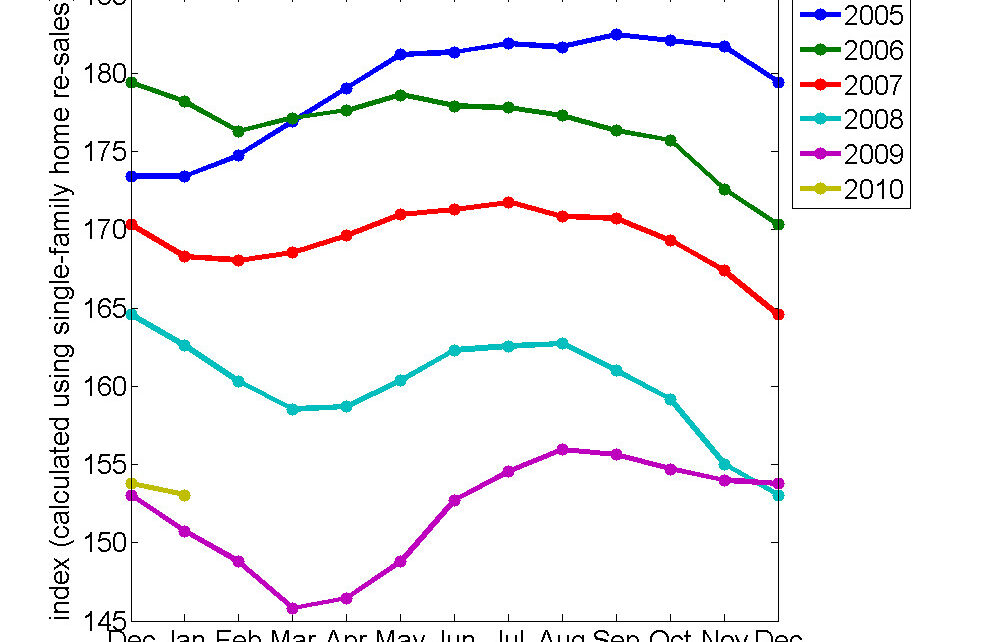
house prices fall significantly as forecasts suggest a continued downturn until 2028. London is expected to experience the hardest hit, affecting homeowners and investors alike.
Current State of House Prices
The current state of house prices reflects a significant downturn in the market, particularly in London. Recent reports indicate that house prices are expected to fall steadily until 2028, with London facing the most severe decline among major cities. This shift has raised concerns among homeowners and potential buyers alike.
Key factors contributing to the decline include:
- Rising interest rates: Increased borrowing costs have made it more challenging for buyers to secure mortgages.
- Economic uncertainty: Ongoing concerns about inflation and the overall economy are causing potential buyers to hesitate.
- Supply and demand imbalances: An oversupply of properties in certain areas is further driving prices down.
Experts predict that the fall in house prices will not only affect current homeowners but also the broader economy, as reduced property values could lead to decreased consumer spending. As London grapples with these challenges, many are left wondering how long this trend will persist and what it will mean for the future of the housing market.
Factors Influencing Price Decline
The decline in house prices across the UK, particularly in London, can be attributed to several influencing factors.
- Economic Uncertainty: As inflation rises and interest rates remain high, potential buyers are feeling the pinch. This economic climate leads to a decrease in consumer confidence, resulting in fewer people willing to invest in property.
- Supply and Demand: An oversupply of properties in certain areas has contributed to the decline. With more homes available than buyers, sellers are forced to lower their prices to attract interest.
- Government Policies: Recent policy changes, including alterations to tax regulations and housing incentives, have affected market dynamics. These changes can deter investment and negatively impact buyer sentiment.
- Remote Work Trends: The shift towards remote work has led many to reconsider their living situations, often opting for homes outside of urban centers, thereby decreasing demand in cities like London.
As these factors continue to shape the housing market, house prices are expected to fall further, making it a challenging period for both sellers and buyers.
Impact on London Real Estate
The recent trend indicates that house prices fall significantly in London, posing challenges for both buyers and sellers in the market. According to experts, the capital is expected to experience the most severe declines compared to other regions until 2028.
This downturn is attributed to several factors affecting the London real estate landscape:
- Economic Uncertainty: Ongoing economic challenges have made potential buyers more cautious.
- Interest Rates: Rising interest rates have increased mortgage costs, further deterring purchases.
- Supply and Demand: An oversupply of luxury properties has led to increased competition and price reductions.
- Shift in Preferences: Many buyers are seeking properties outside of London, attracted by lower prices and more space.
As a result, sellers in London may face longer selling times and must adjust their expectations regarding property values. The long-term forecast suggests that this trend will persist, requiring stakeholders to adapt to a continuously evolving market landscape.
Comparative Analysis with Other Cities
As house prices fall in London, a comparative analysis with other major cities reveals that the capital is facing a more significant decline. While cities like Manchester and Birmingham are experiencing moderate price adjustments, London’s market is projected to suffer the worst effects until 2028.
Several factors contribute to this disparity:
- Economic Conditions: London’s economy is heavily influenced by global markets, making it more vulnerable to fluctuations compared to other UK cities.
- Supply and Demand: Although demand remains high in urban centers, the oversupply of luxury apartments in London is exacerbating price falls.
- Government Policies: Recent changes in taxation and regulations have led to uncertainty in the London housing market, dissuading potential buyers.
In contrast, cities like Edinburgh and Bristol have shown resilience, with steady price growth driven by localized demand and more affordable housing options. As the market evolves, it is crucial for investors and homeowners alike to monitor these trends closely, as they may indicate broader economic shifts impacting the UK real estate landscape.
Future Projections for Housing Market
As analysts look ahead, future projections for the housing market indicate that house prices will continue to fall, especially in London, which is expected to experience the steepest declines until 2028. Several factors contribute to this outlook, including economic instability and rising interest rates, which are likely to restrain buyer confidence.
Key projections include:
- Continued Price Reductions: Experts predict a gradual decrease in property values throughout the next five years, potentially impacting both residential and commercial sectors.
- Long-term Market Adjustments: The market is expected to undergo significant adjustments as sellers may be forced to lower asking prices to attract buyers.
- Impact on Investment: Investors may need to reconsider strategies, as declining house prices could lead to reduced returns on investment.
- Shift in Buyer Demographics: A younger demographic may emerge as potential buyers, seeking more affordable options outside traditional urban centers.
Overall, the forecast suggests a challenging environment for homeowners and investors alike, as house prices fall and the market adapts to new economic realities.
Advice for Homeowners
As house prices fall, homeowners in London and other affected areas are urged to take proactive measures to safeguard their investments. With projections indicating a continued decline until 2028, it is crucial to stay informed and prepared.
Consider the following advice:
- Evaluate Your Finances: Assess your financial situation to determine if refinancing your mortgage or consolidating debts is a viable option. This could help you manage costs during this downturn.
- Stay Informed: Keep up with market trends and economic forecasts. Understanding the landscape can help you make informed decisions about whether to hold or sell your property.
- Enhance Your Property: Investing in renovations or upgrades can increase your home’s value, making it more appealing to potential buyers despite the overall market decline.
- Consult Professionals: Seek advice from real estate agents and financial advisors who have experience in dealing with fluctuating markets. Their insights can be invaluable.
By taking these steps, homeowners can navigate the challenges posed by falling house prices and better position themselves for the future.
Investment Opportunities Amid Decline
As house prices fall across the UK, astute investors may find unique opportunities in a declining market, particularly in London, which is experiencing the most significant downturn. With prices expected to continue their descent until 2028, this period could be ideal for those looking to enter the property market.
Many experts suggest that potential buyers should focus on:
- Emerging Neighborhoods: Areas that were once seen as less desirable may now offer affordable options with growth potential.
- Distressed Properties: Properties in need of renovation can be purchased at lower prices and improved for resale or rental.
- Long-term Investments: Investors willing to hold onto properties for several years may benefit from eventual market recovery.
- Rental Markets: With homeownership becoming more challenging, demand for rental properties could rise, making buy-to-let investments appealing.
While navigating a market with falling house prices can be daunting, those who conduct thorough research and remain patient may uncover fruitful investment prospects amidst the decline.
Expert Opinions on Market Trends
Experts have weighed in on the current trends affecting the housing market, particularly in London, where house prices fall are anticipated to be more pronounced than in other regions. According to Dr. Emily Turner, a housing market analyst, “The decline in London’s property values is a reflection of broader economic pressures, including rising interest rates and inflation.”
Many analysts agree that the current trajectory is concerning. James Foster, a senior economist, stated, “We expect the worst to be felt in urban centers like London, where demand has historically been high. The reality is that potential buyers are becoming more cautious.”
Furthermore, Sarah Lincoln, a real estate consultant, emphasized the importance of understanding long-term trends: “While house prices fall may create challenges today, they also present opportunities for future investments. Buyers need to consider their long-term goals rather than focusing solely on immediate market fluctuations.”
As the market evolves, experts continue to monitor various factors that could influence housing stability, urging potential homeowners and investors to stay informed and strategic in their decisions.
As house prices fall, many potential buyers are left wondering when the market will stabilize. Experts predict that house prices fall in London will continue to impact the overall economy for years to come.
By Matthew Simoneau via Openverse