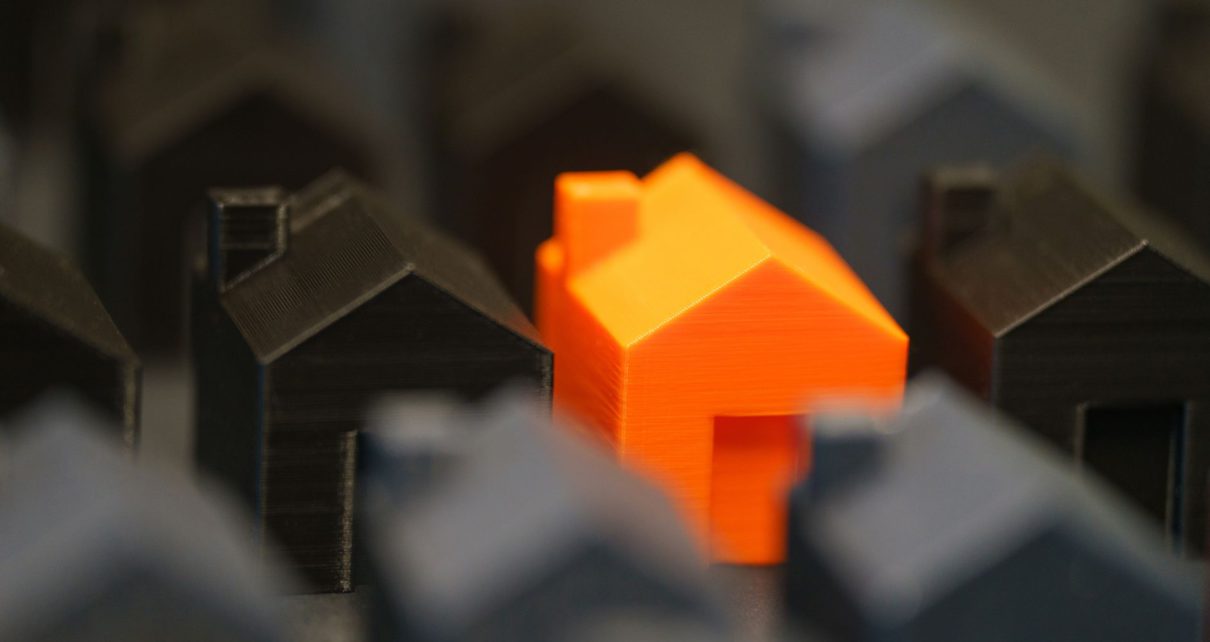
UK house prices have dropped 0.4% in August 2026, according to recent Lloyds data. This decline raises concerns about the housing market’s stability.
Current Trends in UK House Prices
Recent data reveals troubling trends in the UK house prices, highlighting a continuing decline that has raised concerns among homeowners and investors alike. According to Lloyds, UK house prices fell by 0.4% in August 2026, marking the worst decline in years.
This downturn in the housing market can be attributed to several factors:
- Rising interest rates: Increased borrowing costs have made it more difficult for potential buyers to secure mortgages.
- Economic uncertainty: Ongoing economic challenges have led to decreased consumer confidence, impacting purchasing decisions.
- Supply and demand imbalance: While there has been a surge in new housing listings, demand has not kept pace, contributing to falling prices.
As a result, many homeowners are facing the possibility of negative equity, where their property values decline below the amount owed on their mortgages. This situation is prompting calls for government intervention to stabilize the market and support those affected by the decline in UK house prices.
Impact of Economic Factors on Housing
The recent decline in UK house prices can be attributed to several economic factors that have significantly impacted the housing market. As inflation continues to rise, many potential buyers are facing increasing financial strain, which ultimately affects their ability to purchase homes.
Interest rates have also played a crucial role in this downturn. The Bank of England’s decision to raise rates in an effort to combat inflation has led to higher mortgage costs, further discouraging buyers. This situation is compounded by economic uncertainty, which has led to a cautious approach from both buyers and sellers.
Additionally, the cost-of-living crisis has resulted in decreased disposable income for many households, reducing the number of people in a position to invest in property. As demand wanes, sellers are forced to reevaluate their asking prices, contributing to the overall decline in UK house prices.
Moreover, experts suggest that the combination of these factors may lead to a prolonged period of stagnation in the housing market, as both buyers and sellers navigate this complex economic landscape.
Lloyds Data Insights
Lloyds Data Insights has revealed alarming trends regarding UK house prices, indicating a significant downturn in the housing market. Recent data shows that house prices fell by 0.4% in August 2026, marking the worst decline in several years. This decrease is particularly concerning for homeowners and potential buyers alike.
The findings highlight a range of factors contributing to this decline:
- Rising Interest Rates: Increased borrowing costs have deterred many potential buyers from entering the market.
- Inflationary Pressures: The ongoing cost-of-living crisis has strained household budgets, leading to reduced demand for properties.
- Economic Uncertainty: With fluctuating economic conditions, many buyers are hesitant to make long-term commitments.
Experts believe that this trend in UK house prices may continue in the coming months, urging stakeholders to closely monitor market conditions. As affordability remains a significant concern, the outlook for the housing market appears increasingly precarious.
Historical Comparison of House Prices
The historical comparison of house prices in the UK reveals significant fluctuations over the decades, highlighting both growth periods and downturns. In the early 2000s, UK house prices experienced a rapid increase, largely driven by low-interest rates and rising demand. However, the financial crisis of 2008 marked a turning point, resulting in a dramatic decline in property values.
According to data from Lloyds, the current decline of 0.4% in August 2026 is indicative of ongoing pressures in the housing market. This latest figure adds to a growing trend of diminishing house prices, which have not been seen since the aftermath of the global economic downturn.
Factors influencing these changes include:
- Interest Rates: Fluctuating rates have a direct impact on borrowing costs.
- Economic Stability: Economic uncertainty can dampen buyer confidence.
- Supply and Demand: An oversupply of housing can lead to price reductions.
Overall, the historical context of UK house prices reflects a complex interplay of various elements that continue to shape the market today.
Future Predictions for the Housing Market
As analysts assess the current situation, future predictions for the housing market in the UK suggest a challenging landscape ahead. With UK house prices experiencing a decline of 0.4% in August 2026, many experts believe this trend may continue in the coming months.
Several factors are influencing these predictions:
- Interest Rates: With the Bank of England potentially raising rates to combat inflation, borrowing costs may increase, leading to reduced buyer demand.
- Economic Uncertainty: Ongoing economic challenges, including energy prices and geopolitical tensions, could dampen consumer confidence in the housing market.
- Supply and Demand: An oversupply of properties in certain areas may exacerbate price declines, as sellers might be forced to lower prices to attract buyers.
- Government Policies: Potential changes in housing policies or taxation could also impact investment in the property market.
While some analysts remain cautiously optimistic, the overall sentiment suggests that UK house prices may continue to face downward pressure, making it crucial for potential buyers and investors to stay informed.
Expert Opinions on the Decline
Experts are expressing concern over the latest trends in UK house prices, which have shown a notable decline. According to several analysts, the 0.4% drop recorded in August 2026 marks one of the worst declines in recent years.
Dr. Emily Harrison, a renowned housing market analyst, stated, “This decline underscores the fragility of the current market. With rising interest rates and inflation affecting consumer confidence, many potential buyers are hesitating.”
Another expert, James Carter, emphasized the long-term implications of this trend, saying, “If UK house prices continue to fall, we may see a ripple effect across related sectors, such as construction and home improvement. The slowdown could lead to job losses and reduced economic growth.”
Moreover, Sarah Thompson, a financial consultant, noted, “Investors should be cautious. The current data suggests we might not see a recovery anytime soon, and those looking to purchase should carefully evaluate their options.”
Overall, the consensus among experts is that the decline in UK house prices reflects broader economic uncertainties that could have lasting impacts on the housing market.
Photo by Jakub Zerdzicki on Pexels