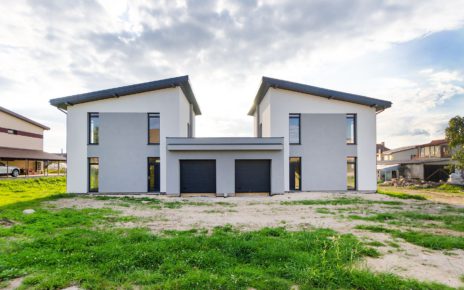
Real estate sales increase is evident as Jefferies reports a remarkable 17-20% growth in sales value for the upcoming months. This positive trend suggests a robust recovery in the market.
Understanding the Sales Growth
Recent analysis by Jefferies highlights a notable trend in the housing market, indicating a significant rise in real estate sales. The report reveals that sales value has surged by an impressive 17-20% compared to previous periods. This growth is attributed to a combination of factors that have positively impacted buyer confidence.
As the economy shows signs of recovery, many potential homeowners are seizing the opportunity to invest in properties. Factors contributing to the increased sales include:
- Low interest rates: With mortgage rates remaining favorable, buyers find it more affordable to finance home purchases.
- Increased demand: A growing population and changing lifestyle needs have led to heightened demand for housing.
- Developers’ response: In light of the increase in real estate sales, developers are planning to accelerate launches in the second half of the year.
This combination of elements suggests a robust market outlook, making it an opportune time for both buyers and sellers.
Market Trends for H2 2023
As the real estate market continues to evolve, recent reports indicate that there is a significant trend towards an increase in real estate sales for the second half of 2023. According to Jefferies, a financial services company, the sales value has risen by an impressive 17-20%. This growth is prompting developers to accelerate their launches in the latter part of the year.
This uptick in sales can be attributed to several factors:
- Increased buyer confidence: With economic indicators showing stability, more buyers are entering the market.
- Low inventory: The demand for homes is outpacing supply, leading to competitive bidding and higher sales prices.
- Interest rates: Although rates may fluctuate, they remain relatively low compared to historical standards, encouraging home purchases.
As a result, analysts expect that this trend will further bolster real estate sales, making H2 2023 a pivotal period for both buyers and sellers in the market.
Developers’ Strategies for Launches
As the real estate sales increase continues to gain momentum, developers are adjusting their strategies to capitalize on the favorable market conditions. According to a recent report by Jefferies, developers are expected to ramp up their launches in the second half of 2023 to meet the rising demand.
Key strategies include:
- Targeted Marketing: Developers are focusing on tailored marketing campaigns to attract specific demographics, ensuring that their properties resonate with potential buyers.
- Innovative Financing Options: Offering flexible payment plans and incentives is becoming a common approach to make properties more accessible to a wider audience.
- Enhanced Amenities: To differentiate their offerings, developers are emphasizing lifestyle amenities that appeal to buyers looking for a community experience.
- Sustainable Practices: A growing number of developers are incorporating eco-friendly features, aligning with consumer preferences for sustainability.
These strategies reflect a proactive approach as the industry anticipates continued real estate sales increase through effective engagement with buyers.
Impact of Economic Factors
The recent report from Jefferies highlights the significant impact of various economic factors on the real estate market, contributing to a notable increase in real estate sales. Analysts have pointed out that several elements are driving this growth.
- Interest Rates: The stabilization of interest rates has made borrowing more attractive, encouraging potential buyers to enter the market.
- Employment Rates: A decrease in unemployment has boosted consumer confidence, leading to increased spending in real estate.
- Inflation Trends: As inflation rates begin to moderate, buyers are more willing to make investments, anticipating future value appreciation.
- Government Incentives: Various fiscal policies and incentives have been implemented to stimulate the housing market, effectively supporting real estate sales.
These factors collectively contribute to the projected 17-20% growth in sales value, showcasing a robust recovery in the market. As developers adjust their strategies for the second half of 2023, we can expect further momentum in real estate sales.
Real Estate Sales Increase: What to Expect
The recent report by Jefferies indicates a significant uptick in real estate sales, projecting an increase of 17-20% in the coming months. As this growth unfolds, several factors will shape what to expect in the real estate market.
Firstly, buyer demand is expected to remain robust, driven by favorable financing options and a growing interest in residential properties. This surge in demand could lead to a tighter inventory, pushing prices higher.
Secondly, developers are anticipated to respond proactively, ramping up their project launches in the second half of 2023. This strategy aims to capitalize on the rising interest in real estate sales and meet the increasing demand.
Moreover, market dynamics such as interest rates and economic stability will play crucial roles in determining the sustainability of this growth. Stakeholders should monitor these elements closely as they may influence buyer confidence and overall sales performance.
In summary, as real estate sales increase, the market could experience both opportunities and challenges, making it essential for participants to stay informed and agile.
The recent analysis by Jefferies highlights a significant trend, indicating that the real estate sales increase is driven by a surge in buyer demand. As more consumers enter the market, experts predict that this real estate sales increase could continue into the next quarter.
By International Real Estate Listings via Openverse