
For the modern Indian investor, the charm of “bottled poetry” has moved beyond the dinner table and into smart, diversified portfolios. As of late 2025, investing in vineyards has emerged as a refined alternative asset class, combining the long-term stability of agricultural land with the high-return potential of the luxury wine market.
What makes vineyard investments especially attractive is that they also align with the growing desire to buy farmhouse style properties that offer income, lifestyle value, and capital appreciation. Whether you are exploring the sun-drenched vineyards of Nashik or the prestigious wine estates of Bordeaux, this guide helps you understand how to navigate this rewarding yet complex investment landscape.
1. Introduction: Why Vineyard Investment?
Vineyards offer a rare triple advantage: steady land appreciation, recurring income from wine production, and a lifestyle benefit that very few asset classes can offer. Unlike volatile equities, vineyards are tangible, income-generating assets with low correlation to traditional financial markets, making them more stable over the long term.
They stand out as a unique hybrid investment, combining the security of real estate with the value creation of a manufacturing business. Historically, fine wine has also acted as a hedge against inflation. In 2025, while global equity markets struggled with Direct-to-Consumer (DTC) challenges in Western economies, fine wine indices such as the Liv-ex 1000 delivered a 6.9% to 8.3% year-to-date gain, strengthening investor confidence in this asset class.
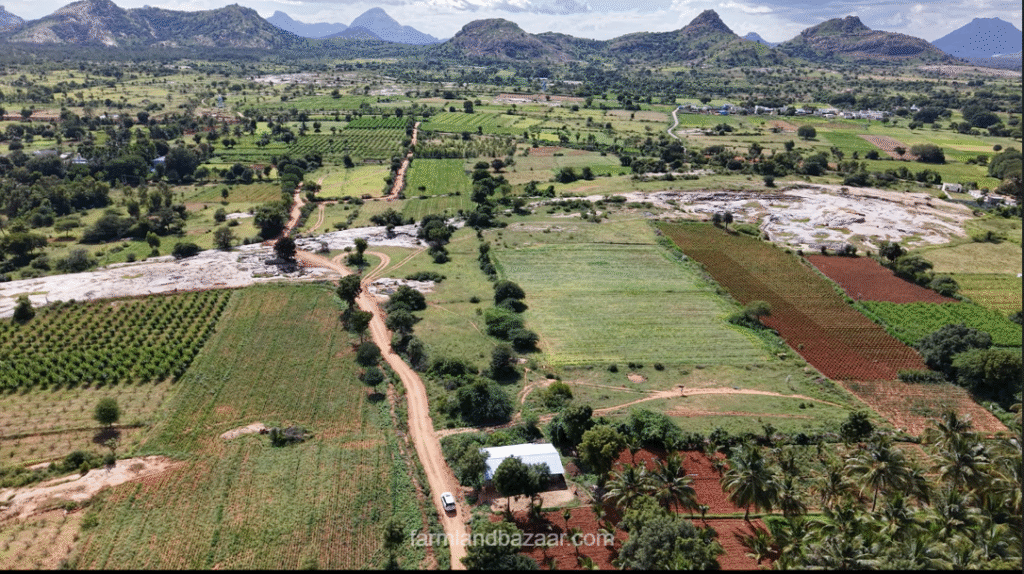
2. Global Wine & Vineyard Market Overview (2025)
The global wine and vineyard market in 2025 presents a clear contrast. Traditional leaders like France and Italy are witnessing their lowest production levels since 1961 due to climate volatility, while newer regions continue to grow.
The UK has seen a 33% rise in winery numbers over the last five years, with more than 9,300 acres under vine, while Champagne remains a stronghold of value despite earlier harvests driven by climate shifts.
India, meanwhile, is emerging as a major growth story. It is now the fastest-growing wine market in the Asia-Pacific region, with projections estimating the market will reach $2.66 billion by 2033, growing at a robust CAGR of 14.7%.
Sula Vineyards’ performance highlights that value in vineyards goes beyond wine alone. In FY25, while the company reported a record revenue of ₹618.8 crore, its Wine Tourism segment grew by 10.2%, clearly showing that experiences, tourism, and destination-led offerings are becoming important revenue drivers alongside wine production.
Types of Vineyard Investment Models
For Indian investors looking to enter vineyard investments, there are broadly two approaches. Understanding the difference is important before committing capital.
Direct Vineyard Ownership
This involves buying agricultural land in established wine regions such as Nashik, Nandi Hills, or near Bengaluru and developing the vineyard independently. While this model offers complete control over the land and operations, it also demands high upfront capital, deep agricultural knowledge, and active involvement in farming, compliance, labour management, and market access. For most first-time land investors, these operational complexities can become challenging over time.
Managed Vineyard Investments (Preferred for Most Investors)
Managed vineyards are designed for investors who want to own productive agricultural land without day-to-day operational stress. In this model, the investor owns the land, while a professional management team takes care of vineyard development, cultivation, maintenance, harvesting, and often even wine production or offtake partnerships.
2 important rules to evaluate a vineyard investment
Terroir and Climate Resilience
With 2025 witnessing record heatwaves across key wine regions, it is critical to assess soil quality, water availability, and long-term climate resilience. A strong vineyard investment depends on sustainable water sources and soil that can support vines under changing weather conditions.
Tourism and Destination Potential
Vineyards today are not just farms; they are destinations. Properties that lack tourism appeal often miss out on a major revenue stream. Proximity to major urban centres such as Mumbai or Pune significantly enhances footfall, weekend tourism, and overall earning potential.
The future of vineyard investment is green and sparkling. As the Indian palate evolves, the demand for high-quality domestic sparkling wine and sustainable “farm-to-bottle” stories will drive the next decade of growth.
From a FarmlandBazaar perspective, managed vineyard investments strike the right balance between ownership and convenience. They allow investors to benefit from land appreciation, agricultural income, and exposure to the growing wine ecosystem, without requiring hands-on farming expertise. This model also aligns well with investors seeking long-term land assets, sustainable income, and lifestyle value, especially those exploring vineyard-linked farmhouse ownership.
As interest in vineyards grows alongside the trend of land-backed investments, managed vineyard models are emerging as a practical and scalable entry point for investors who want returns driven by both land value and agricultural productivity.