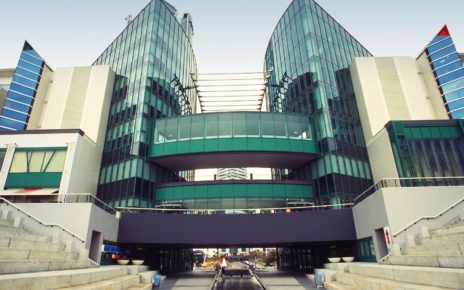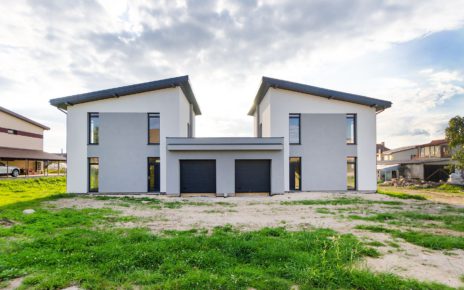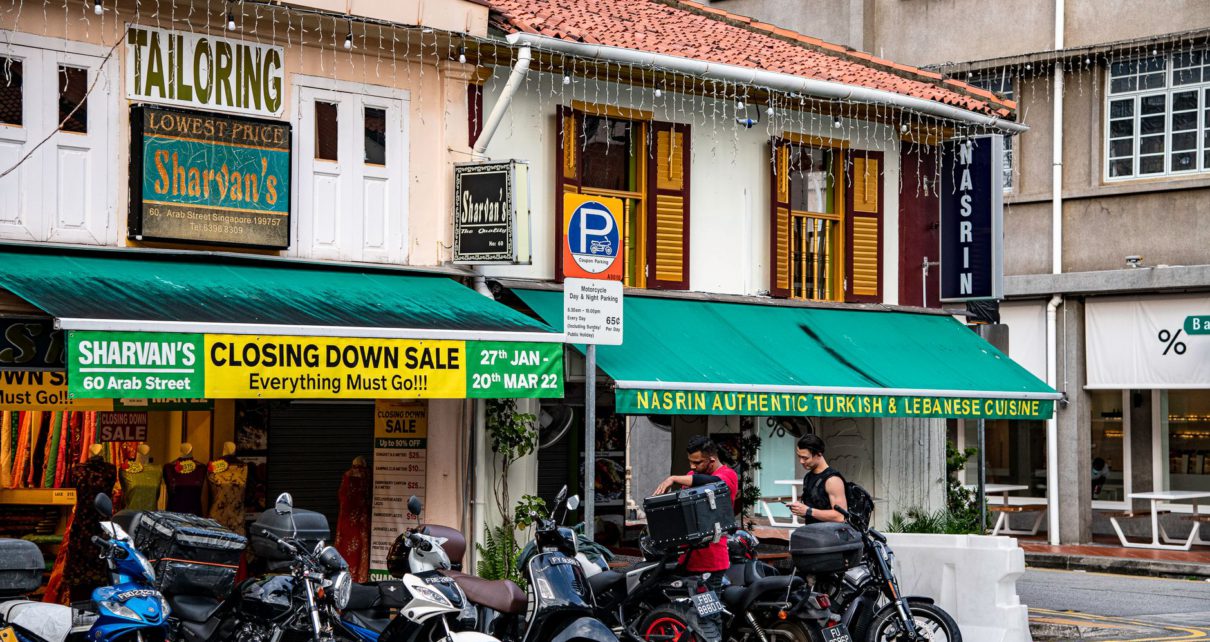
Singapore home sales have been lacklustre in August, revealing key drivers behind the sluggish performance. Understanding these factors can provide insights into the current real estate landscape.
Overview of Singapore’s Home Sales
The recent data on Singapore home sales has revealed troubling trends that reflect the current state of the housing market. In August, the figures showed a significant decline, raising concerns among potential buyers and investors alike.
Several key factors have contributed to this lacklustre performance:
- Rising Interest Rates: The increase in interest rates has made mortgages more expensive, discouraging potential buyers from entering the market.
- Economic Uncertainty: Ongoing economic challenges have led to decreased consumer confidence, resulting in fewer transactions.
- Supply Chain Issues: Delays in construction and supply chains have impacted new home launches, limiting options for buyers.
- Government Cooling Measures: Policies aimed at stabilising the housing market have further cooled demand, particularly among investors.
As a result, the number of transactions has dropped significantly compared to previous months, prompting analysts to reassess their forecasts for the remainder of the year. The outlook for Singapore home sales remains uncertain, with many hoping for a turnaround as economic conditions improve.
Key Factors Affecting Sales
Several key factors have contributed to the decline in Singapore home sales, revealing a complex landscape for potential buyers and investors. Understanding these influences is essential for grasping the current market dynamics.
- High Property Prices: The rising costs of real estate have deterred many buyers, leading to a significant slowdown in transactions. With prices reaching new heights, affordability remains a critical issue.
- Interest Rate Hikes: Increased interest rates have made home financing more expensive. As borrowing costs rise, potential buyers are often forced to reconsider their purchasing decisions.
- Regulatory Measures: Government policies aimed at cooling the housing market have also impacted sales. These regulations, while intended to stabilize prices, have created uncertainty among buyers.
- Changing Buyer Sentiments: A shift in buyer sentiment, influenced by economic conditions and global uncertainties, has led many to adopt a wait-and-see approach, further dampening demand.
- Supply Chain Issues: Ongoing challenges in the construction sector have affected the availability of new homes, limiting options for buyers and contributing to the sluggish sales environment.
These factors collectively illustrate the complexities surrounding Singapore home sales, making it a challenging time for both buyers and sellers.
Market Trends in August 2023
In August 2023, Singapore home sales demonstrated a significant decline, reflecting broader market trends that have emerged this year. The number of transactions fell sharply compared to previous months, raising concerns among stakeholders in the real estate sector.
Several factors contributed to this downturn, including:
- Rising interest rates: Higher borrowing costs have deterred potential buyers from entering the market.
- Economic uncertainty: Ongoing global economic challenges have made many prospective homeowners hesitant to commit to new purchases.
- Increased supply: A surge in new properties coming onto the market has led to heightened competition, putting downward pressure on prices.
- Cooling measures: Government regulations aimed at stabilizing the housing market have further limited buyer enthusiasm.
As a result, the data indicates that Singapore home sales have not only slowed but may continue to face headwinds in the coming months. Analysts suggest that unless conditions improve, particularly regarding financing and economic stability, the outlook for the housing market could remain bleak.
Comparative Analysis with Previous Months
In a comparative analysis of Singapore home sales, recent trends indicate a significant decline when juxtaposed with previous months. Data from July 2023 showed a more robust market, with home sales experiencing a surge due to pent-up demand and favorable financing conditions. However, August revealed a stark contrast.
Key metrics from August included:
- Sales Volume: A drop of approximately 20% compared to July, signaling a cooling market.
- Price Adjustments: The average property price decreased by 5%, as buyers became more cautious.
- New Launches: The number of new launches fell by 15%, suggesting developers are hesitant to enter a weakening market.
These figures highlight that Singapore home sales are not only declining but show a pattern of volatility influenced by economic uncertainties and changing buyer sentiment. The decline in both sales volume and prices is indicative of shifting dynamics, potentially leading to a re-evaluation of investment strategies in the coming months.
Overall, this comparative analysis underscores the challenges facing the Singapore home sales market as it grapples with these new realities.
Expert Opinions on Future Outlook
As Singapore grapples with declining home sales, experts have weighed in on the implications for the property market. According to real estate analysts, the current slowdown in Singapore home sales can be attributed to a combination of factors, including rising interest rates and tighter regulations.
Dr. Jane Lim, a senior analyst at a leading property consultancy, noted that “the high borrowing costs have deterred many potential buyers, leading to a significant drop in transactions.” She emphasized that the effects of monetary policy will continue to ripple through the housing market, making it challenging for homebuyers to enter the market.
Additionally, Mr. Tan Wei, a prominent economist, highlighted that the government’s cooling measures have created an environment of uncertainty. “This has resulted in a cautious approach from both buyers and sellers, impacting overall sales figures,” he said.
Looking ahead, both experts agree that while recovery may take time, certain segments of the market, such as luxury properties, could see a rebound as affluent buyers remain active. Overall, the future of Singapore home sales will depend heavily on external economic conditions and government policies that shape buyer sentiment.
In conclusion, the outlook remains cautious, with many awaiting clearer signs of stabilization.
Impact of Economic Conditions
The impact of economic conditions on Singapore home sales has become increasingly evident as the market grapples with various challenges. In recent months, economic uncertainties, rising interest rates, and inflationary pressures have significantly influenced buyer sentiment and purchasing power.
Many potential homebuyers are now adopting a more cautious approach, prioritizing financial stability over immediate property investments. This shift in behavior can be attributed to:
- Rising Borrowing Costs: With interest rates climbing, mortgage affordability is becoming a pressing concern, leading to a decline in buyer confidence.
- Inflation: The increasing cost of living is causing households to reassess their budgets, pushing property purchases further down their priority list.
- Uncertainty in Job Markets: Concerns over job security amid economic fluctuations have made buyers hesitant to commit to long-term investments.
- Government Policies: Recent regulatory measures aimed at cooling the housing market have also contributed to a more subdued sales environment.
As these economic factors continue to unfold, the outlook for Singapore home sales remains uncertain, underscoring the need for potential buyers to navigate this complex landscape with care.
Conclusion and Recommendations
In conclusion, Singapore home sales have faced significant challenges in recent months, driven by various economic factors and market conditions. The insights gathered highlight the need for potential buyers and investors to approach the market with caution while staying informed about ongoing trends.
To navigate the current landscape, we recommend the following:
- Research Market Dynamics: Buyers should stay updated on the latest market trends and economic indicators that impact home sales in Singapore.
- Consider Timing: Evaluating the right time to purchase can be crucial. Monitoring interest rates and government policies may provide opportunities for better deals.
- Engage with Experts: Consulting real estate professionals can offer valuable insights and help buyers make informed decisions.
- Diversify Investment: For investors, diversifying into different property types or locations may mitigate risks associated with downturns in home sales.
- Long-term Perspective: Keeping a long-term view can be beneficial, as the market may recover and present new opportunities for those willing to wait.
By considering these recommendations, stakeholders can better position themselves in the evolving landscape of Singapore home sales.
Photo by Ravish Maqsood on Pexels