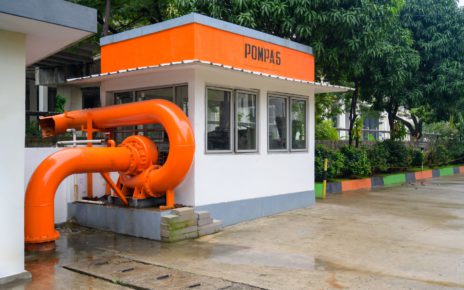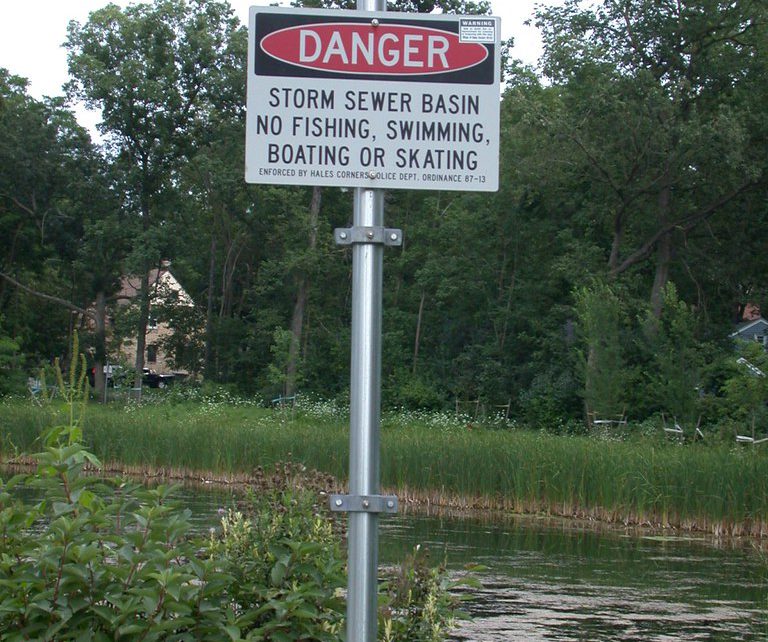
The sewerage infrastructure project is set to transform Delhi’s sewage management with a significant Rs 17,969-crore investment approved by the government.
Overview of the sewerage infrastructure project
The Delhi government has approved a significant sewerage infrastructure project aimed at enhancing the city’s waste management systems. With an investment of Rs 17,969 crore, this initiative is set to transform the current sewerage network, addressing long-standing issues of inefficiency and pollution.
The project will focus on several key areas:
- Expansion of sewer lines: New sewer lines will be laid to cover underserved areas, ensuring that more residents have access to adequate waste disposal facilities.
- Upgrading treatment plants: Existing sewage treatment plants will undergo modernization to improve their capacity and efficiency, reducing environmental impact.
- Installation of advanced technologies: The project will incorporate state-of-the-art technologies for better monitoring and maintenance of the sewerage system.
- Community awareness programs: Initiatives will be rolled out to educate residents about the importance of proper waste disposal and the benefits of the new infrastructure.
This comprehensive upgrade is expected to significantly enhance public health and the environment in Delhi, making the city a cleaner and more sustainable place to live.
Funding details for the upgrade
The funding details for the sewerage infrastructure project in Delhi reveal a significant commitment from the government to enhance the city’s sanitation systems. The total investment for this upgrade amounts to Rs 17,969 crore, aimed at addressing the growing demands of urban population and improving public health standards.
The financing for this ambitious project is structured as follows:
- Central Government Contribution: A substantial portion of the funding will come from the central government, which has pledged to support urban infrastructure projects across India.
- State Government Allocation: The Delhi government will allocate funds from its annual budget, emphasizing the importance of public health and sanitation in urban planning.
- International Funding: Discussions are underway to secure loans and grants from international development agencies, aiming to leverage global expertise and funding for sustainable development.
This comprehensive funding strategy reflects the government’s determination to not only improve sewerage infrastructure but also to ensure that the project is sustainable and effective in the long run.
Expected benefits for Delhi residents
The recent approval of the sewerage infrastructure project in Delhi is set to bring a multitude of benefits to residents across the capital. With an investment of Rs 17,969 crore, this upgrade aims to significantly enhance the city’s sanitation and wastewater management systems.
One of the primary expected benefits includes:
- Improved Public Health: By upgrading the sewerage system, the risk of waterborne diseases will be reduced, contributing to overall public health improvements.
- Environmental Protection: Enhanced treatment facilities will help mitigate pollution in local water bodies, fostering a healthier ecosystem.
- Increased Capacity: The project will expand the existing sewerage network, accommodating the growing population and urbanization in Delhi.
- Job Creation: The construction and operational phases of the project are expected to create numerous employment opportunities for local residents.
Overall, the sewerage infrastructure project promises to transform Delhi’s sanitation landscape, ensuring that residents enjoy cleaner, safer living conditions in the years to come.
Timeline for project completion
The sewerage infrastructure project in Delhi is set to unfold in multiple phases, ensuring systematic upgrades to the city’s aging systems. The timeline for project completion has been meticulously planned to minimize disruption while maximizing efficiency.
The project is expected to roll out over the next five years, with key milestones as follows:
- Phase 1: Initial assessments and design modifications will begin in the first six months, focusing on identifying critical areas in need of urgent attention.
- Phase 2: Major construction activities are scheduled to commence after the design phase, projected to start within the following year. This phase aims to upgrade existing pipelines and expand the sewage treatment capacity.
- Phase 3: The final phase will include extensive testing and evaluation of the newly implemented systems to ensure efficiency and reliability, anticipated to take place in the last year of the project.
By adhering to this timeline, the Delhi government aims to complete the sewerage infrastructure project efficiently, ultimately enhancing sanitation and public health for all residents.
Challenges in implementing the project
The implementation of the sewerage infrastructure project in Delhi is facing several challenges that could impact its success. One major hurdle is the existing urban landscape, which complicates the installation of new sewerage systems. Many areas in the city are densely populated, making it difficult to access sites without causing significant disruption to residents.
Additionally, the project requires collaboration among multiple stakeholders, including government agencies, contractors, and local communities. Ensuring smooth communication and coordination among these groups can be a daunting task. Potential delays may arise if stakeholders do not align on project objectives and timelines.
Moreover, financial management poses another challenge. Although the project has secured substantial funding, maintaining budget control throughout the various phases of implementation is crucial. Unexpected costs related to land acquisition and labor can arise, threatening the overall budget of the Rs 17,969-crore initiative.
Finally, public awareness and acceptance are vital for the project’s success. Engaging with residents and addressing their concerns about construction noise and disruptions will be essential to garner support for the sewerage infrastructure project.
Community response to the initiative
The sewerage infrastructure project has sparked a mix of enthusiasm and concern among local communities in Delhi. Residents are hopeful that the substantial investment of Rs 17,969 crore will lead to significant improvements in sanitation and reduce the frequent flooding issues faced during monsoons.
Many community members expressed their support, highlighting the project’s potential to enhance public health and hygiene. Ravi Sharma, a local business owner, stated, “This initiative is long overdue. A robust sewerage system will not only improve our living conditions but also attract more businesses to the area.”
However, there are also apprehensions regarding the project’s execution. Some residents worry about the disruption caused during construction. Priya Mehta, a mother of two, said, “While I understand the necessity of this upgrade, I hope the government takes measures to minimize the inconvenience for families in the affected areas.”
Community leaders have called for regular updates and inclusive discussions to ensure that the voices of residents are heard throughout the project’s implementation phase.
Comparison with other cities’ infrastructure
The sewerage infrastructure project in Delhi is part of a broader trend seen in various cities across the globe that aim to modernize their waste management systems. Comparatively, cities like Mumbai and Bangalore have undertaken similar upgrades, albeit with varying degrees of success and funding.
In Mumbai, for example, a recent initiative focused on enhancing the capacity of existing sewer lines while integrating new technologies for waste treatment. This project, valued at approximately Rs 12,000 crore, highlights how urban landscapes are evolving to address growing populations and the related challenges of sanitation.
Bangalore, on the other hand, has invested around Rs 8,000 crore in its sewerage infrastructure, prioritizing the treatment of wastewater and its reuse for irrigation and industrial purposes. Such projects emphasize the importance of sustainable development and resource management as cities face increasing environmental pressures.
Delhi’s ambitious Rs 17,969-crore sewerage infrastructure project aims not only to catch up with these counterparts but also to set a benchmark for future initiatives. By learning from the experiences of other cities, Delhi hopes to implement a robust system that improves the quality of life for its residents.
Future projects in Delhi’s urban planning
As Delhi embarks on its ambitious sewerage infrastructure project, several future projects are being planned to enhance urban living conditions and sustainability. The government recognizes that an effective sewerage system is only part of a larger picture that includes proper waste management and water supply.
Among the proposed initiatives are:
- Smart Waste Management Systems: Utilizing technology to streamline waste collection and processing, reducing pollution and enhancing public health.
- Rainwater Harvesting Programs: Implementing systems to capture and utilize rainwater, contributing to a more sustainable water supply.
- Green Infrastructure Projects: Creating green spaces and permeable surfaces that can improve drainage and reduce urban heat.
- Public Awareness Campaigns: Educating residents about the importance of maintaining sewerage systems and proper waste disposal practices.
These future projects aim not only to complement the ongoing sewerage infrastructure project but also to create a holistic approach to urban planning. By focusing on sustainability and community engagement, Delhi strives to build a resilient and livable city for its residents.
By Aaron Volkening via Openverse
References
Related stories
HomePad smart home hub: Is it the best smart device? · Custom Printing Services for Brands With a Distinctive Identity · AVAX Price Analysis: Clear Insights on Market Trends