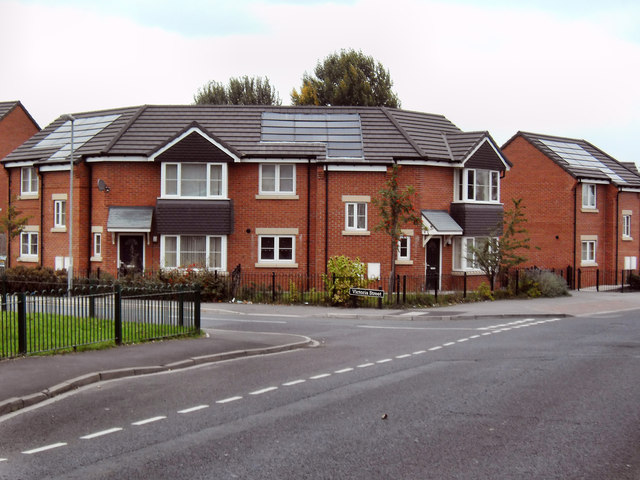
energy efficient housing is set to receive a significant boost as FCM and the Government of Canada announce $66.3 million for 162 projects. This funding aims to improve sustainability and reduce energy consumption across the country.
Overview of the Funding Announcement
The Federation of Canadian Municipalities (FCM) and the Government of Canada have unveiled a significant funding initiative, allocating $66.3 million to support energy efficient housing projects across the country. This investment aims to enhance the sustainability and affordability of housing in various communities, addressing the urgent need for climate action.
With a total of 162 projects receiving financial backing, this program is designed to promote advancements in energy efficiency within the housing sector. The funding will assist municipalities and local governments in implementing innovative solutions that reduce energy consumption and greenhouse gas emissions.
The initiative is part of a broader strategy to tackle climate change and support green initiatives in Canada. By focusing on energy efficient housing, the government seeks to create healthier living environments while also lowering utility costs for residents.
Among the key goals of this program are:
- Encouraging the adoption of sustainable building practices.
- Improving energy performance in housing.
- Supporting local economies through job creation in the green sector.
As communities implement these projects, they not only contribute to environmental sustainability but also pave the way for a resilient future in housing development.
Impact on Local Communities
The recent funding announcement from the Federation of Canadian Municipalities (FCM) and the Government of Canada is set to have a significant impact on local communities across the nation. With $66.3 million allocated for 162 projects, the initiative aims to promote energy efficient housing, which can lead to substantial long-term benefits.
Local economies stand to gain as these projects create jobs in construction, design, and energy management. Increased employment opportunities not only help families thrive but also contribute to the overall economic growth of the area. Furthermore, energy efficient housing can reduce utility costs for residents, allowing them to allocate funds towards other essential needs.
In addition to financial savings, communities will benefit from improved environmental conditions. By implementing energy efficient practices, these housing projects will reduce greenhouse gas emissions, contributing to cleaner air and a healthier environment for all residents. This aligns with broader sustainability goals that many municipalities are striving to achieve.
Moreover, the enhanced quality of housing will lead to increased property values, fostering community pride and stability. In essence, the investment in energy efficient housing is not just about building structures; it’s about building resilient communities that are prepared for a sustainable future.
Details of the Housing Projects
The funding announcement of $66.3 million will support a total of 162 projects aimed at promoting energy efficient housing across various communities. These projects are designed to reduce energy consumption, lower greenhouse gas emissions, and create healthier living environments for residents.
Key details of the funded projects include:
- Retrofitting Existing Buildings: Many projects focus on upgrading older buildings with modern insulation, energy-efficient windows, and advanced heating systems.
- New Construction: Some funding will go towards constructing new homes that adhere to stringent energy efficiency standards, ensuring long-term sustainability.
- Community Engagement: Initiatives will involve local stakeholders to promote awareness and education on energy conservation practices.
- Job Creation: The projects are expected to create numerous jobs in the construction and renovation sectors, boosting local economies.
Overall, these energy efficient housing projects not only aim to provide residents with comfortable and affordable living spaces but also contribute to broader environmental goals. By investing in these initiatives, the Government of Canada and the Federation of Canadian Municipalities are taking significant steps towards making communities more sustainable and resilient for the future.
Government’s Commitment to Sustainability
The Government of Canada has reaffirmed its commitment to sustainability by investing significantly in energy efficient housing. This initiative is part of a broader strategy to address climate change while supporting community development across the nation. With a funding allocation of $66.3 million for 162 projects, the government aims to enhance the living conditions of Canadians by promoting environmentally friendly building practices.
This investment underscores the importance of transitioning to energy efficient housing as a means to reduce greenhouse gas emissions. By prioritizing these projects, the government not only fosters innovation in construction but also stimulates local economies through job creation in green sectors.
Local municipalities are expected to play a crucial role in implementing these projects, ensuring that each initiative meets the unique needs of the communities they serve. The government’s financial support is designed to empower local authorities to develop housing solutions that are both sustainable and affordable.
In addition to improving energy efficiency, these projects will serve as a model for future housing developments across Canada, showcasing the potential for environmentally responsible construction methods. The commitment to such initiatives reflects a growing recognition of the interconnection between sustainable living and community well-being.
Future of Energy Efficient Housing
The future of energy efficient housing looks promising as investments in sustainable building practices continue to gain momentum. With the recent announcement of $66.3 million dedicated to 162 projects across Canada, there is a clear indication that both the government and local communities recognize the importance of energy-efficient solutions.
As the demand for affordable housing rises, integrating energy efficiency into new developments will be crucial. These projects not only aim to reduce energy consumption but also to improve the overall quality of living for residents. The long-term benefits of energy efficient housing include lower utility bills and reduced environmental impact, which contribute to a more sustainable future.
Key stakeholders are collaborating to create innovative housing solutions that address the dual challenges of affordability and sustainability. Initiatives like these are paving the way for smarter resource management and greener construction practices.
Future projects will likely incorporate advanced technologies, such as solar panels and high-efficiency appliances, to ensure that new homes meet rigorous energy standards. As more communities adopt these practices, the vision for a nationwide network of energy efficient housing becomes increasingly attainable.
Ultimately, these efforts will foster a more resilient housing sector, positioning Canada as a leader in sustainable development.
How to Get Involved
Community members interested in supporting the development of energy efficient housing can take several steps to get involved. One of the most impactful ways to participate is by collaborating with local organizations that focus on sustainable development. These groups often seek volunteers for various projects, including community outreach, educational programs, and hands-on building opportunities.
Additionally, residents can advocate for energy efficient housing initiatives by attending town hall meetings and engaging with policymakers. By voicing support for sustainable housing projects, community members can help influence local planning decisions that prioritize energy efficiency.
Another avenue for involvement is through financial support. Individuals can consider investing in local energy efficient housing projects or contributing to crowdfunding campaigns that aim to raise funds for these initiatives. This not only aids in the development of eco-friendly homes but also promotes a sense of community ownership.
Here are some practical steps to consider:
- Join local environmental groups focused on housing.
- Participate in workshops or seminars on sustainable living.
- Engage with neighbors to raise awareness about the benefits of energy efficient housing.
- Support policies that incentivize green building practices.
Every effort counts towards creating a more sustainable future for our communities.
By derek dye via Openverse