Most serious problems in a home don’t announce themselves. A leaking pipe doesn’t always mean a puddle on the floor — sometimes it means a slowly spreading damp patch behind a wardrobe that no one notices for months. A structural issue rarely starts with a visible crack; it starts with a door that’s stopped closing quite right, or a floor that’s developed the faintest slope. By the time the damage is obvious, it’s often been developing for a long time, quietly getting more expensive to put right with every month it goes unaddressed.
Here are five signs worth taking seriously, and a look at what your options are if you spot them.
1. Cracks that keep coming back
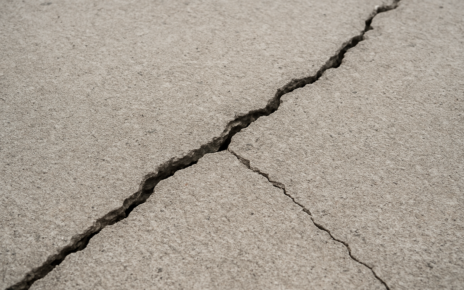
Hairline cracks in plaster are extremely common and usually nothing to worry about — most homes settle slightly over time. What’s worth paying attention to is a crack that’s wider than a couple of millimetres, that runs diagonally from a window or door frame, or that keeps reappearing after you’ve filled it. These can be early indicators of movement in the building’s foundations or structure, and they’re exactly the kind of issue covered under structural defect claims if the underlying cause turns out to be a construction or subsidence issue rather than normal settling. Tracking when a crack first appeared, and photographing it every few months, gives you useful evidence if it turns out to be part of a larger pattern.
2. Musty smells and patches that won’t clean off
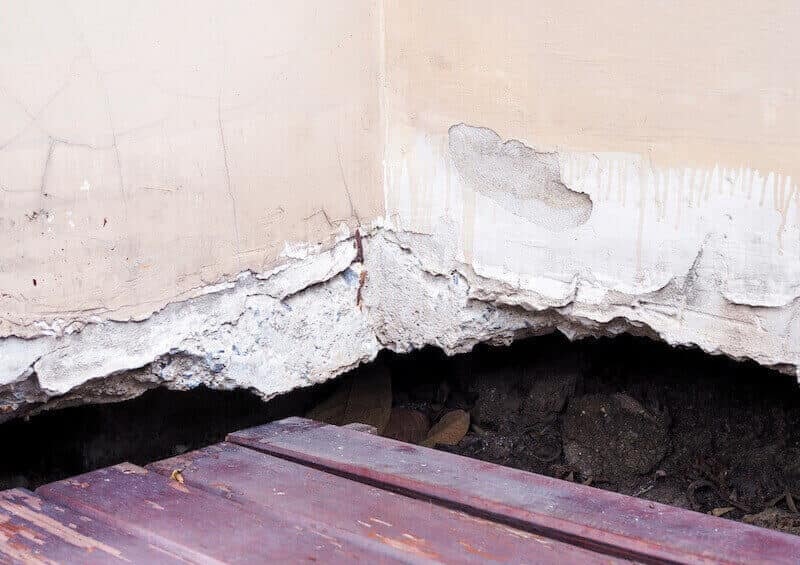
A persistent musty smell, or dark patches on walls and ceilings that keep returning after cleaning, are classic signs of damp and mould taking hold behind the surface. This isn’t just a cosmetic issue — prolonged damp can affect air quality and, over time, cause real harm to timber and plasterwork, and in some cases has been linked to respiratory problems for people living in the property. If a survey or previous work should have picked this up and didn’t, it’s worth looking into damp and mould claims to understand whether you have grounds to recover the cost of putting it right.
3. Water marks with no obvious source
A brown ring on a ceiling, a damp patch on a wall that has nothing to do with the weather, or a slightly spongy feel underfoot near a bathroom are all signs that water is finding its way somewhere it shouldn’t. These leaks are often hidden inside walls or under floors, doing damage long before anyone spots them from the outside, and by the time a mark appears on a ceiling the water has usually already been travelling for some time. If you’re dealing with an unexplained leak, it’s worth getting it properly investigated and looking into leaks and water damage claims, particularly if the leak traces back to poor workmanship on a previous repair or installation.
4. Windows and doors that have started sticking
It’s easy to write off a sticking door as the house “settling” or the weather changing, but a door or window that’s suddenly harder to open and close — especially several at once — can point to timber that’s rotting from moisture ingress, or the frame itself shifting out of true. Left unaddressed, rotten frames can spread damage into the surrounding brickwork and insulation, and what starts as a single stiff door can, within a couple of years, become a much larger and more expensive repair. Cases involving rotting windows and doors are more common than most homeowners realise, particularly in properties where the original installation wasn’t done to standard.
5. A general sense that something’s ‘off’
Sometimes there’s no single dramatic symptom — just a floor that doesn’t feel quite level any more, a slight gap that’s opened up where a skirting board meets the wall, or a draught that wasn’t there last year. None of these things prove there’s a serious defect, but they’re all worth investigating rather than ignoring, especially in a property that’s had recent building work, an extension, or was bought without a full structural survey.
Why timing matters more than most people realise
The point at which a defect was actually caused matters a great deal when it comes to working out who’s responsible for fixing it. A crack that appeared within weeks of moving in points to something that was already present before completion, while one that develops five years later after a nearby extension went up tells a very different story. This is part of why acting quickly once something is noticed makes such a difference — the longer a defect is left, the harder it becomes to establish a clear timeline, and the more the underlying problem tends to worsen in the meantime, often spreading into areas of the property that were previously unaffected.
Why these signs are so easy to miss
Part of what makes hidden structural damage so difficult to catch is that it develops slowly, and most homeowners simply don’t have a baseline to compare against — a door that’s been slightly sticky for two years feels normal by the time it’s actually worth investigating. Renovations and redecorating can also mask early warning signs entirely, with a fresh coat of paint covering a crack that was starting to widen, or new flooring hiding a slight slope that would otherwise have been noticeable underfoot. This is exactly why a professional assessment matters more than relying on instinct alone.
Getting a proper second opinion
If you’ve spotted one or more of these signs, the instinct is often to either panic or ignore it — neither is particularly useful. A more productive step is getting an independent assessment from someone with no stake in the outcome, rather than relying solely on whoever built, sold, or previously surveyed the property. Keep a simple record as you go: dated photographs, a note of when a crack or damp patch was first noticed, and copies of any previous survey or repair paperwork. This kind of evidence trail costs nothing to build and can make a significant difference if it turns out there’s a genuine claim to be made, since establishing when a problem started is often the key question in any dispute over who’s responsible for fixing it.
What to do if something doesn’t look right
The good news is that many of these issues, when they do trace back to poor construction, cowboy repairs, or a defect that should have been caught before you moved in, are recoverable. The first step is simply getting a proper assessment rather than guessing — a quick, no-obligation look with a free claims calculator is a fast way to get a sense of whether what you’re seeing is worth pursuing further, before committing time or money to a full survey.
Homes are one of the biggest investments most people ever make, and hidden defects have a way of getting more expensive the longer they’re left. If any of the five signs above sound familiar, it’s worth getting them looked at properly rather than hoping they resolve themselves — because in almost every case, they don’t, and the cost of waiting almost always ends up higher than the cost of dealing with it now.