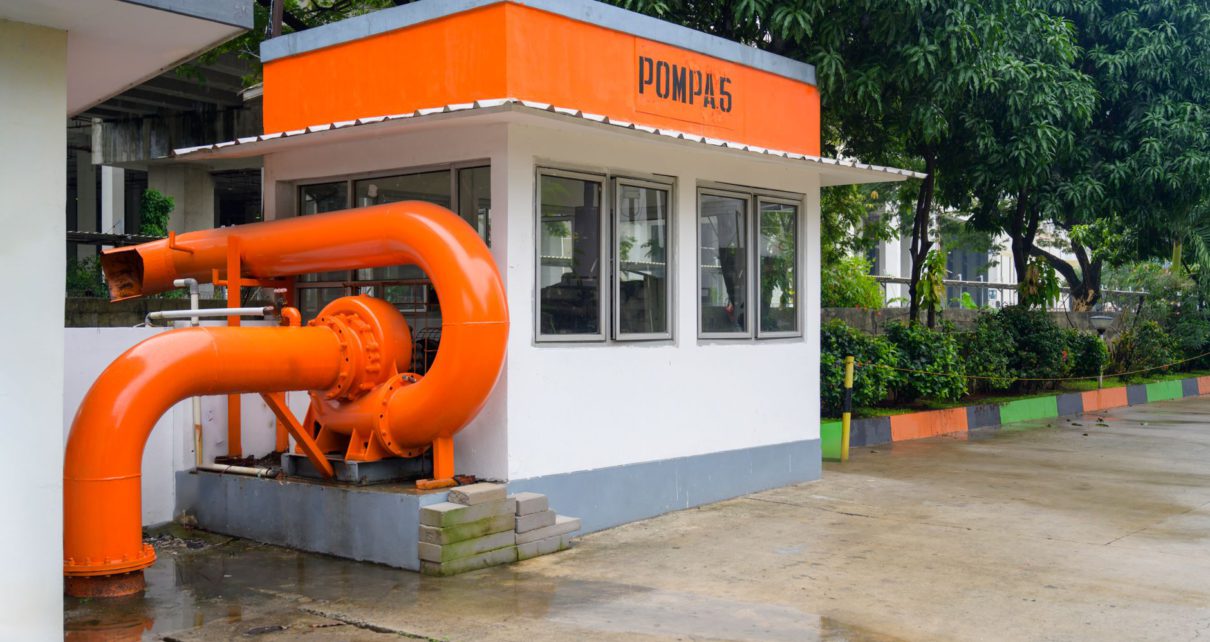
Pumped Storage Projects India are currently facing a 338-GW gap, raising concerns about the future of energy storage in the country. This shortfall highlights the challenges in meeting energy demands.
Understanding Pumped Storage Projects
Pumped storage projects are a crucial component of energy storage systems, designed to balance supply and demand in the power grid. In India, these projects utilize two water reservoirs at different elevations. During periods of low electricity demand, excess energy is used to pump water from the lower reservoir to the upper one. Conversely, when demand peaks, water is released back down to generate electricity.
Despite their importance, India faces a significant gap in pumped storage projects, estimated at 338-GW. This shortfall poses challenges for the country’s renewable energy integration, especially as it aims to enhance its solar and wind energy capacities. The development of additional pumped storage projects in India is essential for ensuring grid stability and reliability.
Key benefits of pumped storage projects include:
- Energy storage: They provide a reliable means to store excess energy.
- Grid stability: They help maintain balance during fluctuations in power demand.
- Environmental impact: They contribute to a cleaner energy transition by supporting renewable sources.
The Importance of Energy Storage
The significance of energy storage cannot be underestimated, especially in the context of Pumped Storage Projects India, where the demand for reliable energy sources is growing rapidly. Energy storage systems play a crucial role in balancing supply and demand, particularly in a country that is increasingly relying on renewable energy sources like solar and wind.
As more intermittent energy sources come online, the need for efficient storage solutions becomes even more pressing. Pumped storage systems allow for the generation of electricity during peak demand by utilizing stored water, which can be released to produce energy when needed. This mechanism not only supports grid stability but also enhances the integration of renewable resources.
Moreover, the current gap of 338-GW in pumped storage capacity highlights the urgency for investment and development in this sector. India must prioritize the expansion of such projects to ensure a sustainable energy future and meet its growing energy needs. The enhancement of energy storage capabilities will be vital for achieving energy security and reducing carbon emissions.
Current Challenges in India
India’s journey towards a sustainable energy future faces significant hurdles, particularly in the realm of pumped storage projects. Currently, the nation grapples with a daunting gap of 338 gigawatts (GW) in its energy storage capacity, which poses challenges for the integration of renewable energy sources.
Several factors contribute to this gap:
- Regulatory Hurdles: Complex policies and lengthy approval processes can delay project implementation.
- Financial Constraints: High initial investment costs deter potential investors and limit funding opportunities.
- Site Selection Issues: Identifying suitable locations for pumped storage projects is often complicated by environmental concerns and land availability.
- Technological Challenges: Adopting advanced technology in existing infrastructures remains a significant barrier.
Addressing these challenges is crucial for realizing the potential of pumped storage projects in India. As the country aims to enhance its energy storage capabilities, concerted efforts from government and private sectors will be essential.
Future Prospects for Hydropower
The future of hydropower in India appears promising, particularly in the realm of Pumped Storage Projects. As the country aims to meet its growing energy demands while transitioning to sustainable sources, these projects could play a pivotal role. The current gap of 338-GW in energy storage highlights a significant opportunity for development and investment in this sector.
Several factors contribute to the positive outlook for pumped storage projects in India:
- Government Initiatives: The Indian government is increasingly prioritizing renewable energy, which could lead to enhanced support for hydropower projects.
- Technological Advancements: Continuous improvements in technology can make pumped storage more efficient and cost-effective, thus attracting more investment.
- Environmental Concerns: As India seeks to reduce its carbon footprint, hydropower offers a cleaner alternative to fossil fuels.
In conclusion, with strategic planning and execution, Pumped Storage Projects in India can bridge the current energy storage gap and contribute significantly to the nation’s energy security.
Government Initiatives and Support
The Indian government has recognized the importance of Pumped Storage Projects as a viable solution to address the energy storage gap in the country. With a significant 338-GW deficit, it is imperative for authorities to take proactive measures to enhance this sector.
Recently, several initiatives have been launched to support the development of pumped storage facilities. These include:
- Policy Framework: The government is formulating policies that aim to streamline the approval process for new projects, ensuring quicker implementation.
- Financial Incentives: Financial support in the form of grants and subsidies is being provided to encourage private investments in pumped storage projects.
- Research and Development: Increased funding for R&D initiatives is targeted at innovative technologies that can enhance the efficiency of pumped storage systems.
- Collaboration with States: The central government is working closely with state governments to identify potential sites for new projects.
Through these initiatives, the government aims to bridge the existing gap and bolster the energy security of India.
Comparative Analysis with Other Countries
India’s efforts in developing Pumped Storage Projects contrast significantly with global leaders in the sector. Countries like the United States and China have implemented extensive pumped storage systems, leveraging their geography and water resources effectively.
According to recent reports, the US boasts a pumped storage capacity exceeding 22 GW, while China leads with over 30 GW, illustrating their commitment to addressing energy storage needs. In comparison, India faces a substantial gap of 338 GW in pumped storage capacity, highlighting the urgent need for enhanced investment and development in this area.
Several factors contribute to this disparity:
- Geographical Diversity: Countries with varied topographies have an advantage in harnessing water resources.
- Government Policies: Proactive support and incentives in other nations have accelerated project implementations.
- Investment in Technology: Advanced technologies in pumped storage have been prioritized elsewhere.
To close this gap, India must prioritize investments in pumped storage projects, fostering collaborations with international experts and adopting best practices from successful nations.
Pumped Storage Projects India are essential for balancing the intermittent nature of renewable energy sources. Addressing the major gap of 338-GW in capacity will require significant investment in these projects across the country.
Photo by Daniel Lee on Pexels