
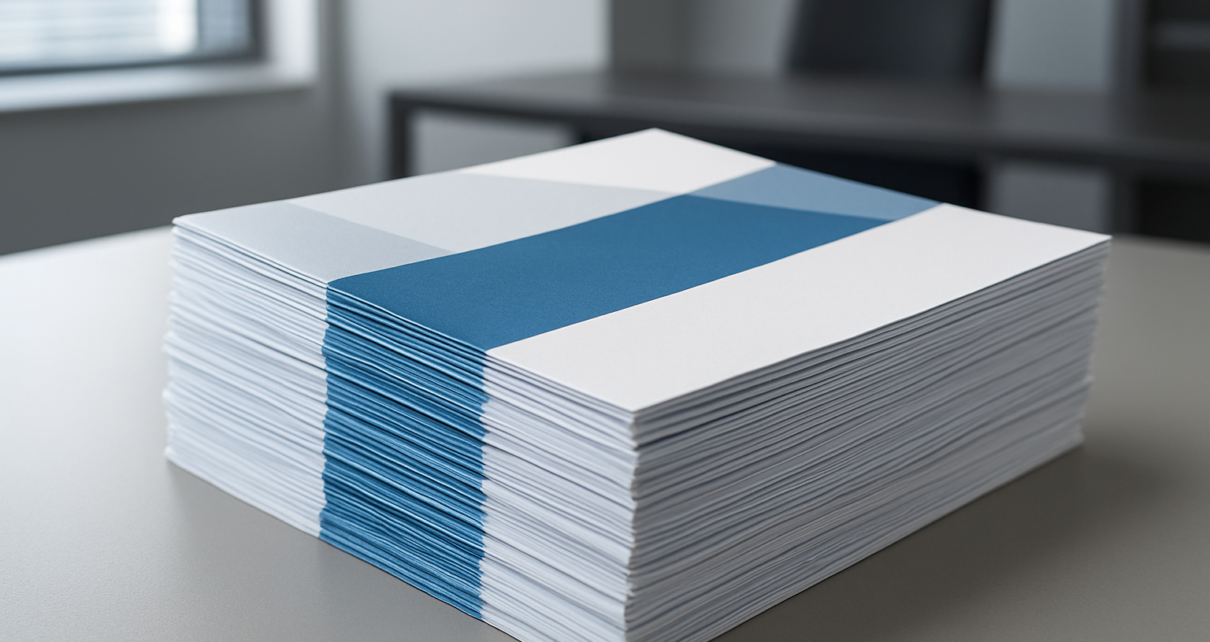
A distinctive brand identity is built through recognizable visuals, consistent communication, and memorable customer experiences. Printed materials remain an important part of that identity because they bring a brand into physical spaces through packaging, stationery, promotional pieces, and marketing displays. Custom Printing Services give businesses the flexibility to translate their unique visual concepts into professionally produced materials. By combining tailored designs with carefully selected formats, finishes, and materials, companies can create print assets that reflect their personality and strengthen brand consistency.
What’s Covered
- Why Does a Distinctive Brand Need Customized Print Materials?
- Which Printed Materials Can Reflect Brand Personality?
- How Does Customization Improve Brand Consistency?
- Can Print Materials Be Designed for Different Audiences?
- What Role Does Paper Selection Play in Branding?
- How Can Finishing Details Enhance a Printed Design?
- Does Custom Printing Support Marketing Campaigns?
- How Can Businesses Keep Custom Projects Organized?
- Can Customized Materials Support Long-Term Brand Growth?
- Why Is Quality Important for Distinctive Branding?
- Conclusion
Why Does a Distinctive Brand Need Customized Print Materials?
A brand communicates much more than its name or logo. Colors, typography, imagery, paper choices, layouts, and finishing details can all contribute to how a company presents itself.
Customized print materials allow these elements to work together. Instead of relying on generic designs, businesses can develop printed products that follow their established identity.
A consistent approach across business cards, brochures, packaging, promotional cards, and stationery creates a recognizable visual system. This can make physical interactions feel more connected to the company’s broader brand experience.
Which Printed Materials Can Reflect Brand Personality?
Almost any printed business material can become an extension of a brand identity. The most suitable choice depends on the company’s communication goals and customer interactions.
Business cards can introduce a professional identity during networking. Brochures can provide detailed information while showcasing a company’s visual style. Packaging inserts can create an additional branded moment after a purchase, while posters and promotional cards can support marketing campaigns.
The value comes from selecting formats that naturally fit the way a business communicates with its audience.
How Does Customization Improve Brand Consistency?
Consistency is easier to maintain when businesses have clear design standards. Approved colors, fonts, logos, layouts, and imagery can be incorporated into different printed products.
For example, a company may use the same core color palette on its business cards, brochures, presentation folders, and promotional materials. Although each item serves a different purpose, the shared visual elements connect them.
This type of consistency helps create a cohesive appearance and gives marketing teams a reliable framework for future print projects.
Can Print Materials Be Designed for Different Audiences?
Yes, brand consistency does not require every printed item to look identical. Businesses can adapt their materials for different customer groups while preserving their central visual identity.
A corporate audience may respond well to a refined presentation, while a consumer-focused campaign may use more energetic colors and imagery. Similarly, event materials can be designed for quick visibility, whereas informational brochures can prioritize detailed content.
Customization allows businesses to adjust individual materials without losing the recognizable characteristics of the overall brand.
What Role Does Paper Selection Play in Branding?
Paper is more than a production surface. Its weight, texture, and finish can influence the physical experience of a printed product.
A premium business card can use a heavier stock to create a substantial feel. A promotional flyer may use a practical material that supports easy distribution. A presentation folder may benefit from a finish that complements a sophisticated corporate design.
Selecting materials according to purpose allows businesses to combine visual appeal with practical usability.
How Can Finishing Details Enhance a Printed Design?
Finishing options can add another layer of character to branded materials. Depending on the product, businesses may consider different surface treatments, coatings, or other presentation features.
These details can help emphasize important visual elements and give printed materials a more refined appearance.
The best approach is to select finishing features that support the purpose of the item. A professional corporate piece may benefit from subtle detailing, while promotional materials may use finishes that make visual elements stand out.
Does Custom Printing Support Marketing Campaigns?
Custom printing can play an important role in campaign development. Marketing teams can create materials specifically around seasonal promotions, product launches, events, customer outreach, and special business initiatives.
A campaign may include several connected materials, such as postcards, flyers, posters, brochures, and event displays. Using a common visual theme across these products can make the campaign easier to recognize.
Because printed materials can be customized for individual campaigns, businesses can refresh their communication while retaining their established brand identity.
How Can Businesses Keep Custom Projects Organized?
A structured print library can make recurring projects easier to manage. Businesses can maintain approved artwork, brand guidelines, preferred specifications, and commonly used formats.
This approach creates a reliable foundation for future orders. Instead of developing every item from scratch, teams can adapt existing brand assets to new requirements.
Organized file management also helps maintain consistency when multiple employees or departments participate in print production.
Can Customized Materials Support Long-Term Brand Growth?
A strong visual identity evolves as a business grows. New products, services, locations, campaigns, and customer groups may introduce additional printing requirements.
Custom printing provides flexibility during these changes. Businesses can introduce new materials while maintaining recognizable elements from their existing identity.
Over time, this creates a broader collection of branded assets that work together across customer communication, marketing, packaging, events, and professional interactions.
Why Is Quality Important for Distinctive Branding?
A unique design deserves a production process that preserves its visual character. Clear text, accurate colors, sharp images, and appropriate materials can help ensure that the final printed piece reflects the original concept.
Quality also supports consistency between different print products. When businesses maintain reliable standards, customers can experience a similar level of presentation across multiple physical touchpoints.
This makes print quality an important part of a complete branding strategy rather than simply a production consideration.
Conclusion
A distinctive brand identity becomes stronger when its visual language is consistently represented across physical and digital experiences. Custom printing provides businesses with the flexibility to turn their unique concepts into professional materials tailored to specific purposes, audiences, and campaigns.
From business cards and brochures to packaging and promotional displays, customized print products can support recognition while adding tangible value to customer interactions. With thoughtful design, suitable materials, consistent branding, and organized production, businesses can create printed assets that reflect their identity and contribute positively to long-term brand development.
Key Takeaways
- A distinctive brand identity is established through recognizable visuals, consistent communication, and memorable customer experiences.
- Custom Printing Services allow businesses to create print materials that reflect their unique visual concepts and strengthen brand consistency.
- Consistency in printed materials is achieved by adhering to clear design standards, including approved colors, fonts, and layouts across various products.
- Businesses can customize printed materials for different audiences while maintaining their overall visual identity, enabling adaptability in marketing strategies.
- The selection of paper type and finishing details can greatly enhance the physical experience and presentation quality of printed products.
- Custom printing supports targeted marketing campaigns by allowing the creation of connected, theme-based materials for seasonal promotions and other initiatives.
