
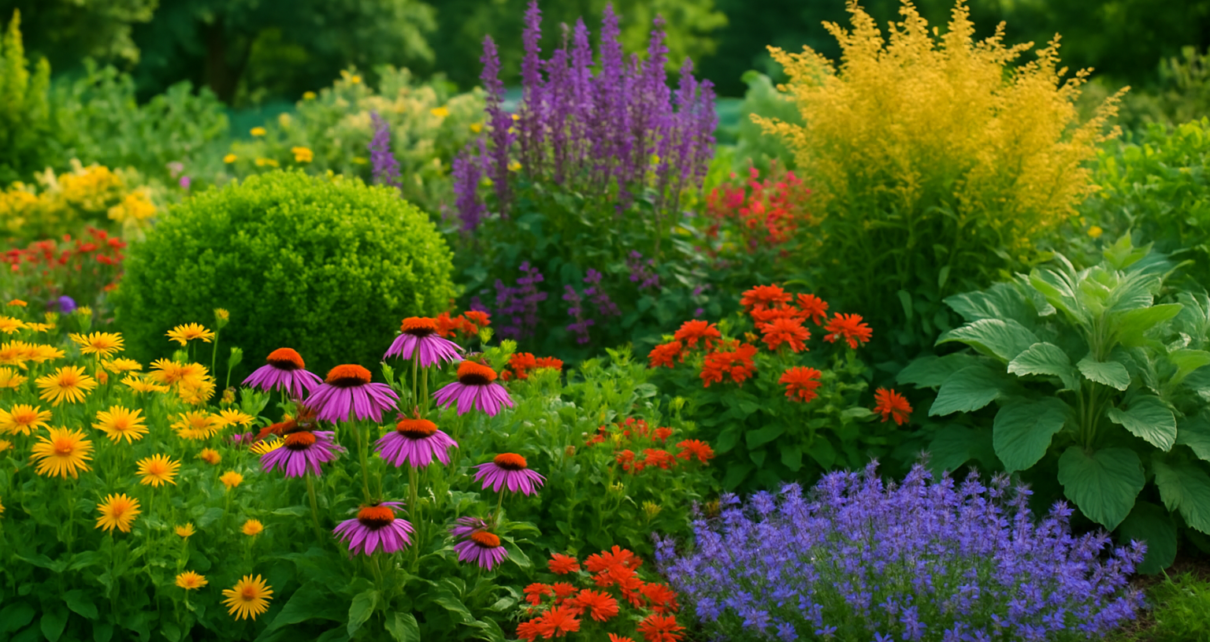
Gardening continues to be an important part of outdoor living, with more people focusing on attractive, productive and practical green spaces. From growing vegetables and improving lawns to choosing seasonal flowers and creating wildlife-friendly areas, modern gardening combines enjoyment with thoughtful planning. For anyone looking for practical ideas tailored to British conditions, garden uk resources can provide useful direction for making everyday gardening decisions more confidently.
What’s Covered
- What makes gardening increasingly popular in the UK?
- How important is seasonal planning for British gardens?
- Which plants are suitable for a varied garden?
- Can small gardens still produce impressive results?
- How can gardeners improve lawn quality?
- Why is soil preparation so important?
- What role do vegetables play in modern gardening?
- How can flowers create year-round garden interest?
- How can gardens support wildlife?
- What are the benefits of using a gardening calendar?
- How can beginners make gardening easier?
- What makes a garden both attractive and practical?
- What is the future of gardening in the UK?
- Conclusion
What makes gardening increasingly popular in the UK?
Gardening offers a flexible way to improve an outdoor space while creating opportunities to grow plants, flowers, herbs and food. A garden can be adapted to suit almost any lifestyle, whether the available area is a large lawn, a compact courtyard, a balcony or an allotment.
The growing interest in gardening also reflects a preference for outdoor spaces that provide several benefits at once. A well-planned garden can offer colour, privacy, fresh produce, relaxation areas and habitats for wildlife. This multifunctional approach makes gardening relevant to both experienced growers and people who are starting with a few containers.
How important is seasonal planning for British gardens?
Seasonal planning is one of the most useful ways to maintain a healthy and attractive garden throughout the year. Different plants have different growing requirements, while tasks such as sowing, pruning, feeding and planting are often linked to seasonal conditions.
A month-by-month approach helps gardeners spread their workload instead of trying to complete everything at once. Spring can focus on new growth and planting, summer often brings watering and harvesting, autumn provides opportunities for bulbs and preparation, while winter allows time for planning and structural maintenance.
This approach also makes gardening more predictable and enjoyable because each season has a clear purpose.
Which plants are suitable for a varied garden?
There is no single plant collection that works for every garden. The most suitable choices depend on sunlight, soil type, available space, moisture levels and the desired appearance.
Flowering plants can provide colour and seasonal interest, while shrubs and trees can add structure. Herbs and vegetables make smaller spaces productive, and evergreen plants can contribute year-round greenery.
A balanced planting plan usually works best when plants with different shapes, heights, flowering periods and textures are combined. This creates visual interest without requiring every part of the garden to perform the same role.
Can small gardens still produce impressive results?
Yes. Garden size does not determine how much creativity can be achieved.
Small gardens can benefit from vertical planting, containers, raised beds and carefully selected compact varieties. Walls, fences and trellises can become productive growing areas, while containers make it easier to move plants according to seasonal conditions.
A small garden can also be divided into practical zones. One section might contain seating, another could support flowering plants, and a compact area could be dedicated to herbs or vegetables.
Thoughtful layout often matters more than overall square footage.
How can gardeners improve lawn quality?
A healthy lawn generally benefits from regular mowing, appropriate feeding, adequate moisture and good soil conditions. The aim is not simply to keep grass short but to encourage strong and consistent growth.
Aeration can help improve air and water movement through compacted soil, while scarifying can help manage accumulated organic material. Bare areas can also be repaired with suitable seed and proper preparation.
Mowing height should be considered according to the season and conditions. Allowing grass to maintain an appropriate height can support a greener and more resilient appearance.
Why is soil preparation so important?
Soil is the foundation of successful gardening. Plants rely on it for water, nutrients, physical support and access to air around their roots.
Understanding soil type can make plant selection much easier. Clay, sandy and loamy soils behave differently, so amendments and planting techniques may need to be adjusted accordingly.
Adding suitable organic matter can improve soil structure and support productive growing conditions. Gardeners can also consider soil testing when they want a clearer understanding of pH and nutrient availability.
Good soil preparation can make later gardening tasks considerably easier.
What role do vegetables play in modern gardening?
Vegetable growing has become an appealing way to make gardens more productive. Even a modest growing area can provide opportunities to cultivate crops such as tomatoes, carrots, potatoes, beans, onions and leafy vegetables.
Succession planting can help gardeners make better use of available space by introducing new crops as earlier ones finish. Raised beds can also provide a structured growing environment that is easy to organise and maintain.
Growing vegetables offers an additional benefit: gardeners can observe the complete process from sowing to harvesting. This creates a rewarding connection between the garden and the food it produces.
How can flowers create year-round garden interest?
A garden can be designed so that different plants provide colour at different times of the year. Combining spring bulbs, summer flowers, autumn performers and winter-interest plants can create a more continuous display.
Flowering shrubs and perennials can provide dependable structure, while annuals can introduce additional seasonal colour. Foliage should also be considered because attractive leaves, stems and plant shapes can maintain interest even when fewer flowers are present.
Planning flowering periods before purchasing plants makes it easier to create a garden that changes naturally as the seasons progress.
How can gardens support wildlife?
Wildlife-friendly gardening can be incorporated without sacrificing appearance. Flowering plants can provide valuable resources for pollinating insects, while shrubs, trees and dense planting can offer shelter.
A pond or small water feature can add another habitat, and areas with varied vegetation can encourage greater biodiversity. Bird-friendly planting and carefully positioned feeding areas can also make gardens more welcoming to visiting species.
The key is variety. Different heights, textures, flowering periods and habitats can create a richer outdoor environment.
What are the benefits of using a gardening calendar?
A gardening calendar turns a broad collection of tasks into manageable seasonal actions. Instead of wondering what needs attention, gardeners can organise planting, pruning, harvesting and maintenance around the time of year.
Calendars are especially useful for crops and plants that require specific sowing or planting periods. They can also help prevent missed opportunities, such as planting bulbs too late or delaying important maintenance.
For busy gardeners, a simple calendar can make the difference between an overwhelming list of jobs and a clear routine.
How can beginners make gardening easier?
Beginners can start with a small number of plants and gradually expand their garden as they gain experience. Choosing plants that match the existing conditions is often easier than trying to change the entire garden to accommodate unsuitable varieties.
Simple projects such as container gardening, herb growing or creating a small flower border can provide practical experience. Keeping notes about planting dates, weather conditions and results can also help improve future decisions.
Gardening is a process of observation. Plants provide useful feedback, and each season creates another opportunity to learn.
What makes a garden both attractive and practical?
The strongest garden designs usually combine appearance with everyday usability. Paths should provide convenient access, planting areas should be easy to maintain, and seating should be positioned where it can be enjoyed.
Practical storage, water access and suitable planting spaces can reduce maintenance effort. At the same time, thoughtful combinations of plants, textures and colours can create an inviting atmosphere.
A successful garden does not need to follow a complicated design. It simply needs to work well for the people who use it.
What is the future of gardening in the UK?
The future of gardening is likely to remain centred on flexibility, sustainability, productivity and enjoyment. Gardeners are increasingly interested in making every part of their outdoor space useful, whether that means growing food, supporting wildlife, creating relaxation areas or improving biodiversity.
Digital gardening resources are also making practical information easier to access, allowing gardeners to research planting choices, seasonal tasks and growing techniques before beginning a project.
The result is a more informed approach to gardening in which planning and experimentation work together.
Conclusion
Gardening in the UK offers far more than attractive planting. It provides an opportunity to create productive spaces, improve outdoor living, support wildlife and develop practical skills throughout the year. Seasonal planning, suitable plant selection, healthy soil and thoughtful garden design can all contribute to positive results.
Whether working with a spacious garden, a compact outdoor area or an allotment, gardeners can achieve meaningful improvements by starting with clear objectives and building their knowledge gradually. With the right approach, every season can bring a new project, a fresh display and another reason to enjoy time outdoors.
Key Takeaways
- Gardening in the UK allows for flexibility and adaptation to various outdoor spaces, accommodating different lifestyles.
- Seasonal planning is crucial for maintaining a healthy garden, helping spread workload and making gardening more predictable and enjoyable.
- Small gardens can achieve impressive results through creative use of vertical planting, containers, and organized zones for various purposes.
- Soil preparation is essential for successful gardening, as it supports plants by providing water, nutrients, and structural support.
- Growing vegetables in gardens not only increases productivity but also creates a rewarding connection between gardeners and their food.
- Combining plants that bloom in different seasons can ensure year-round color and interest in the garden.
