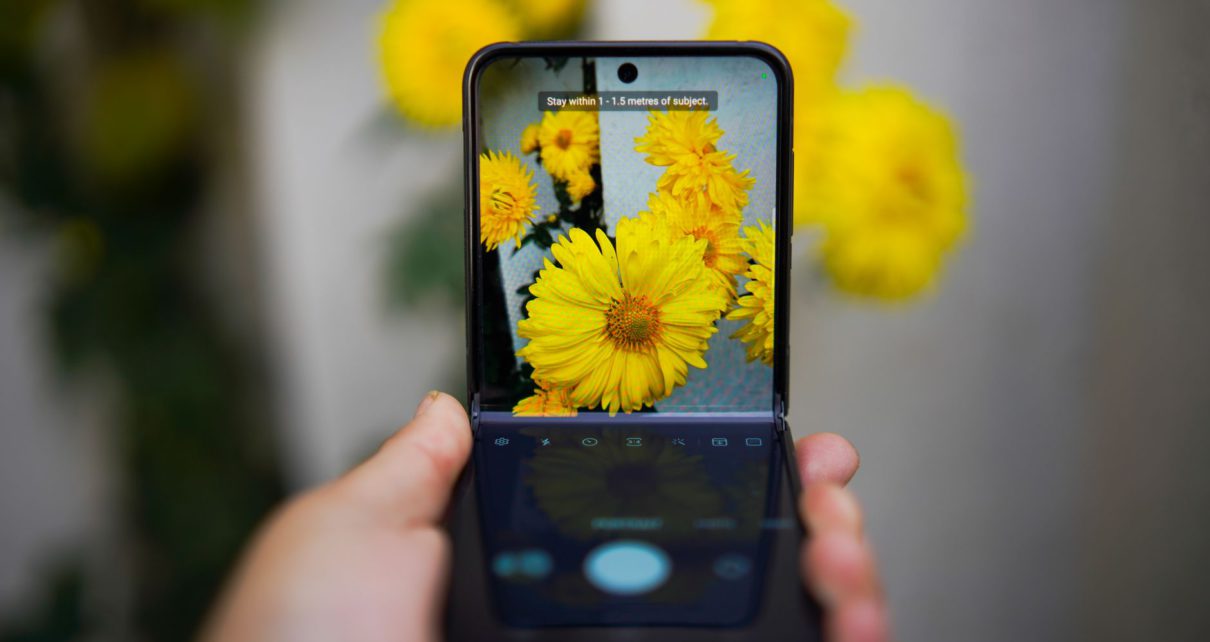
Foldable iPhones are the latest innovation from Apple, promising to change the way we interact with our devices. With exciting features on the horizon, anticipation is building.
What Features Will Foldable iPhones Offer?
As Apple moves forward with its innovation in technology, the highly anticipated foldable iPhones are set to offer a range of impressive features that could redefine the smartphone experience. Users can expect the following:
- Flexible Displays: The main highlight of foldable iPhones will undoubtedly be their flexible displays, allowing users to easily transition from a compact phone to a larger screen for more immersive experiences.
- Multi-tasking Capabilities: With the larger screen real estate, foldable iPhones may support multi-tasking features that let users run multiple apps side by side, enhancing productivity.
- Improved Durability: Apple is likely to implement advanced materials and engineering solutions to ensure that foldable iPhones can withstand daily wear and tear, addressing concerns about the longevity of foldable technology.
- Enhanced Cameras: Anticipate upgrades in camera technology, including improved sensors and AI capabilities, making foldable iPhones ideal for photography enthusiasts.
- New User Interface: Alongside the hardware advancements, users may also experience a redesigned user interface that takes full advantage of the foldable form factor, making navigation more intuitive.
These features highlight the potential of foldable iPhones to be more than just a novelty; they could truly be among the best smart devices to buy, offering functionality that meets the needs of a modern user.
The Impact of Touch-Screen MacBooks
The introduction of foldable iPhones could significantly alter the landscape of smart devices, particularly in relation to Apple’s existing product lines. One key area of interest is the potential impact on touch-screen MacBooks. As Apple continues to innovate, the convergence of these technologies may redefine user experience.
Touch-screen functionality on MacBooks has been a topic of discussion for years. While traditional users appreciate the classic keyboard and trackpad design, the appeal of a touch interface cannot be overlooked. With the rise of foldable iPhones, Apple might find a way to integrate similar technology into its laptops, creating a seamless transition between devices.
Consider the following potential benefits:
- Enhanced User Interaction: A touch-screen MacBook could allow for more intuitive navigation, especially for creative professionals who rely on drawing and design apps.
- Improved Portability: Combining foldable technology with laptops could lead to ultra-thin, lightweight designs that are easier to carry.
- Unified Ecosystem: As foldable iPhones enter the market, a touch-screen MacBook could further enhance the ecosystem, providing users with a more cohesive experience across their devices.
Ultimately, the emergence of foldable iPhones may push Apple to rethink its approach to MacBooks, leading to innovative features that enhance usability and functionality.
Are Foldable iPhones Worth the Hype?
As anticipation builds around the upcoming launch of foldable iPhones, many tech enthusiasts are left wondering: are these innovative devices truly worth the hype? The foldable design promises to revolutionize the way users interact with their smartphones, offering a blend of functionality and portability that traditional models struggle to match.
One of the main advantages of foldable iPhones is their ability to provide a larger screen in a compact form factor. This means users can enjoy a more immersive experience while watching videos, playing games, or multitasking. Additionally, the ability to fold the device may offer enhanced durability, reducing the risk of screen damage that many smartphone users face today.
However, some skeptics question the practicality of foldable technology. Concerns about the longevity of hinges and the potential for wear over time remain prevalent. Furthermore, the price point of foldable iPhones is expected to be significantly higher than their non-foldable counterparts, leading many consumers to weigh the benefits against the cost.
In conclusion, while foldable iPhones are generating considerable excitement in the tech community, whether they live up to the hype will depend on their performance, durability, and overall user experience. As with any new technology, early adopters may pave the way for acceptance, but widespread adoption will hinge on how well these devices meet consumer expectations.
Apple’s Innovations: A Closer Look
Apple has consistently been at the forefront of technological innovation, and with the anticipated launch of foldable iPhones, the company is set to redefine the smartphone landscape once again. The concept of foldable devices has captured the imagination of tech enthusiasts and casual users alike, promising a blend of functionality and versatility.
One of the key innovations expected with foldable iPhones is the ability to have a larger screen in a compact form. This could enhance user experience significantly, allowing for multitasking and immersive media consumption. With a foldable design, users may enjoy a device that easily fits in their pocket while offering the expansive display of a tablet when opened.
Moreover, Apple is known for its meticulous attention to design and user interface. The foldable iPhones are likely to incorporate features that enhance usability, such as seamless transitions between different modes and applications optimized for the unique screen configuration.
As the excitement builds around the launch, consumers are eager to see how Apple will implement these advancements and whether foldable iPhones will live up to the expectations set by previous innovations. The integration of advanced materials and technology is expected to ensure durability and a smooth user experience, which are crucial for the success of any foldable device.
As always, Apple’s dedication to quality and user satisfaction will play a pivotal role in determining whether foldable iPhones will become the best smart devices to buy.
What to Expect from Apple’s Launch Event
The highly anticipated Apple launch event is just around the corner, generating excitement among tech enthusiasts and consumers alike. With the spotlight on foldable iPhones, this event promises to unveil groundbreaking innovations that may redefine the smartphone experience.
During the event, Apple is expected to showcase a range of cutting-edge features designed to enhance usability and functionality. Key highlights may include:
- Improved Display Technology: Rumors suggest that the foldable iPhones will feature advanced OLED displays that not only fold seamlessly but also offer vibrant colors and better energy efficiency.
- Enhanced Durability: Apple is likely to address concerns about the vulnerability of foldable screens, presenting materials and design innovations that increase resilience.
- New Software Capabilities: The new devices may run on an updated iOS version optimized for multitasking and app compatibility, taking full advantage of the foldable form factor.
In addition to foldable iPhones, Apple may also introduce other products, including updates to existing devices and enhancements to its ecosystem. The event is likely to draw significant media coverage as analysts and fans eagerly await the reveal of these innovations.
As Apple continues to push the boundaries of technology, the upcoming launch event could set the stage for a new era of smart devices, positioning foldable iPhones as a frontrunner in the market.
Comparing Foldable iPhones with Traditional Models
As the tech world eagerly anticipates the release of foldable iPhones, many consumers are left wondering how these innovative devices compare to traditional smartphone models. The introduction of a foldable design promises to revolutionize the user experience, but what exactly are the key differences?
One of the most significant advantages of foldable iPhones is their ability to offer a larger screen in a compact form factor. This allows users to enjoy immersive gaming and multimedia experiences without sacrificing portability. In contrast, traditional smartphones often limit screen size, which can hinder viewing pleasure.
Moreover, foldable iPhones are expected to incorporate advanced multitasking capabilities. Users may find it easier to run multiple applications side by side, enhancing productivity and convenience. Traditional models, while effective, often require switching between apps, which can be less efficient.
However, there are potential drawbacks to consider. Foldable devices may face durability concerns, as the folding mechanism could be more prone to wear and tear compared to the robust designs of traditional smartphones. Additionally, there may be a higher price point associated with foldable iPhones, making them a significant investment.
In conclusion, while foldable iPhones offer exciting new features and a fresh approach to smartphone design, consumers must weigh the benefits against potential limitations when deciding between foldable and traditional models.
Photo by Imad Clicks on Pexels