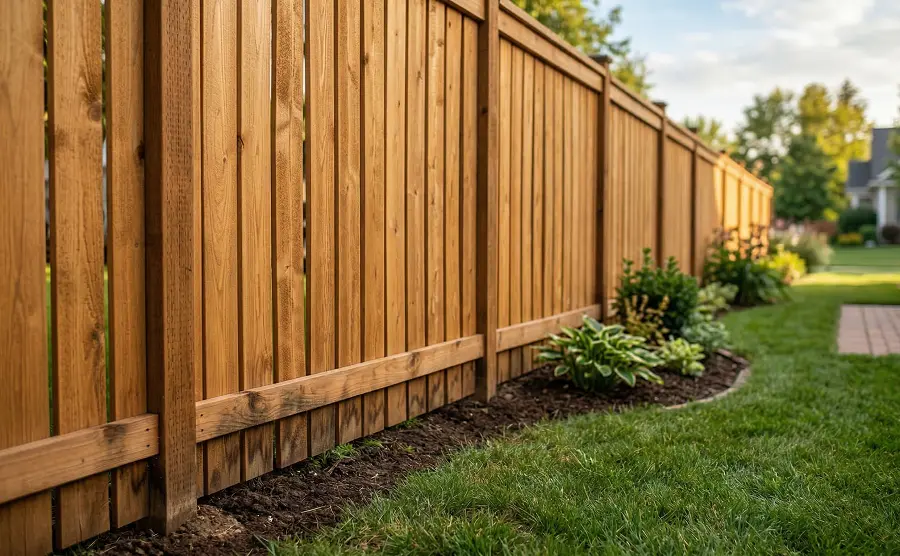
For a long time, fencing sat at the edge of renovation plans. It was something homeowners dealt with after the main work was done, if there was budget left. In 2026, that has changed. More people are building fencing into their renovation budgets from the start, treating it as part of the structure of the garden rather than a finishing touch. Many begin by searching for fencing companies near me before any work begins, looking to understand how the boundary will affect everything else. A lot of them start by reviewing York Fencing to get a clear picture of what proper installation involves.
After decades working as a fencing contractor across York, I can say this shift has been gradual but consistent. Homeowners have realised that the fence is not separate from the rest of the project. It frames it.
Why fencing is now considered early in renovation plans
One thing I see often on local jobs is a homeowner who has already invested in a patio, planting, or seating area, only to realise the fence lets the whole space down.
A tired boundary next to new work stands out immediately.
That is why fencing is now being planned earlier. It ensures the rest of the garden improvements sit against a clean, stable backdrop.
The role of the boundary in defining space
A fence does more than mark a boundary. It defines the shape of the garden.
Straight lines make a space feel organised. Consistent heights create a sense of balance. Solid panels provide enclosure.
When these elements are right, the entire garden feels more finished.
When they are wrong, even well-designed features can feel incomplete.
Why privacy is influencing budget decisions
Privacy has become one of the main reasons fencing is included in renovation plans.
Homeowners are using their gardens more. They want spaces where they can sit, work, and relax without feeling overlooked.
This has shifted how budgets are allocated. Fencing is no longer just about replacing what is there. It is about improving how the space functions.
How clay soil affects long-term planning
York’s clay soil plays a significant role in how fences perform over time.
It expands when wet and contracts when dry, putting pressure on posts year after year.
I usually install posts at around 600mm to 750mm depth to reduce the impact of this movement. Older fences are often set much shallower.
Homeowners who include fencing in their renovation plans can address these issues properly rather than inheriting them later.
Why drainage is part of the renovation conversation
Drainage is rarely considered until it causes problems.
If water collects around fence posts, the surrounding soil softens. This leads to movement and eventual failure.
Including fencing in a renovation plan allows drainage to be addressed at the same time as other ground works.
This improves both stability and lifespan.
The shift toward long-term value
Renovation budgets are increasingly focused on long-term value rather than short-term fixes.
Homeowners are asking how long materials will last, how much maintenance they will need, and how well they will perform over time.
This approach naturally includes fencing.
Choosing better materials and proper installation reduces the need for future work.
Why repairs are no longer the default option
Repairs still have their place, but they are no longer the starting point for many homeowners.
Repeated repairs often highlight underlying issues rather than solving them.
Homeowners reviewing fence repair options in York often decide that replacement as part of a renovation makes more sense than patching older sections.
Material choices are shaping budgets
Material awareness has improved.
Homeowners are now comparing timber, concrete posts, and composite systems based on lifespan and maintenance.
Composite fencing cost is higher upfront, but many see it as a long-term investment. Concrete posts are often chosen for their durability in damp soil.
These decisions are easier to make when fencing is part of a planned budget rather than an emergency cost.
Why consistency matters in renovated spaces
A renovated garden is expected to look consistent.
Mixed fencing styles, uneven heights, or patched repairs can disrupt that consistency.
Replacing or upgrading the boundary as part of the renovation ensures everything works together visually.
This is one of the main reasons fencing is now included in the initial plan.
The influence of outdoor living trends
Outdoor living has become a key part of home design.
Seating areas, garden offices, and dining spaces are now common features.
These spaces rely on the boundary for privacy, structure, and protection from wind.
Fencing supports how these areas are used.
Why timing improves installation quality
Planning fencing work as part of a renovation allows it to be carried out in better conditions.
Dry ground makes installation easier. Posts can be set more accurately. Concrete cures properly.
Waiting until later often means working in less favourable conditions.
Homeowners who plan ahead usually get better results.
The connection between fencing and property value
A strong, well-installed fence improves how a property feels.
It gives the garden a clear structure and removes visible maintenance concerns.
For homeowners thinking about resale, fencing is now part of presenting the property well.
It supports the overall impression rather than detracting from it.
Why new build homeowners are budgeting for upgrades
New build fences often need attention sooner than expected.
Posts set into made-up ground can move as the soil settles. Basic panels may not meet long-term expectations.
Homeowners are now budgeting for fencing upgrades early rather than waiting for problems to develop.
How fencing fits with landscaping projects
Fencing is increasingly being planned alongside landscaping work.
It affects planting, layout, and drainage. It defines the edges that everything else sits within.
Treating fencing as part of the same project creates a more cohesive result.
Why phased upgrades are becoming common
Not all homeowners replace fencing in one go.
Some plan upgrades in stages, prioritising key areas first.
This spreads cost and allows work to be carried out in suitable conditions.
It also avoids the pressure of dealing with everything at once.
The benefit of reducing future maintenance
Including fencing in a renovation plan allows homeowners to choose lower maintenance options.
This reduces the need for regular treatment and repairs.
For many, this is a key factor in how they allocate budget.
Why contractors prefer planned work
From a contractor’s perspective, planned fencing work produces better results.
Time can be taken to assess ground conditions, choose materials, and carry out installation properly.
Rushed work rarely achieves the same standard.
Homeowners benefit from this difference.
How local knowledge improves outcomes
York presents specific challenges, from clay soil to varying exposure levels.
Homeowners exploring garden fencing solutions in York benefit from advice that reflects these conditions.
Local experience helps avoid common problems and improves long-term performance.
Why fencing now belongs in every renovation budget
From decades working across York, it is clear that fencing is no longer an afterthought.
It defines the space, supports privacy, and affects how the entire garden is used.
Including it in renovation budgets from the start leads to better results, fewer problems, and a garden that feels complete from day one.